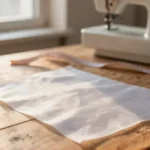

Tracing paper is one of the most valuable tools in any sewist’s arsenal. It allows you to copy pattern pieces without damaging the original tissue or printed designs. Learning this skill opens up a world of creative possibilities for your sewing projects.
Many beginners overlook tracing paper, diving straight into cutting their precious patterns. This can lead to irreversible mistakes, especially with multisize or vintage patterns. Mastering the art of tracing ensures you can reuse your patterns indefinitely.
In this guide, you will discover everything about using tracing paper for sewing. We will cover the best types, essential tools, and a detailed step by step process. By the end, you will feel confident preserving and customizing any sewing pattern in your collection.
What Is Tracing Paper for Sewing?

Tracing Paper Roll – 17″ x 25 yd
Check PriceTracing paper for sewing is a translucent, lightweight material designed specifically for copying pattern pieces. Unlike regular office tracing paper, sewing grade versions are more durable and often come in wider rolls. This specialized paper lets you see the original lines clearly while providing a stable surface for drawing.
The primary purpose of using tracing paper is to preserve the original pattern intact. When you trace, you avoid cutting into the master template, which is crucial for multisize patterns. It also allows you to make fitting adjustments without permanently altering the original design.
You can find tracing paper in various widths, from narrow 12 inch rolls to wide 36 inch options. Some types have a slight texture to grip fabric, while others are completely smooth. For a deeper dive into related materials, explore all about sewing pattern paper on our site.

Tracing Paper Roll – 18″ x 30 yd
Check PriceWhy Use Tracing Paper Instead of Cutting Patterns?
Cutting directly into a sewing pattern might seem faster, but it carries significant risks. Once you cut, you lose other sizes permanently if the pattern is multisized. Tracing eliminates this problem entirely, giving you the freedom to use the same pattern for different body measurements.
Another key benefit is the ability to make muslins and test garments without destroying the original. You can trace the pattern, sew a sample, and adjust the traced copy as needed. If something goes wrong during fitting, your master pattern remains completely untouched and ready for another attempt.
Tracing also proves invaluable when working with vintage or out of print patterns that cannot be replaced. These delicate paper artifacts may crumble if handled roughly. By tracing them onto fresh, sturdy paper, you protect the original while creating a durable working copy for daily use.

Tracing Paper Roll – 24″ x 30 yd
Check PriceEssential Tools for Pattern Tracing Success
Before you begin tracing, gather a few essential supplies to ensure accuracy and ease. A large, flat cutting mat or table provides a stable surface that protects both your pattern and your work area. Good lighting is equally important, as it helps you see faint lines through the tracing paper clearly.
You will need pattern weights or heavy objects to hold the original pattern and tracing paper in place. Smooth, flat washers from the hardware store work wonderfully as inexpensive weights. Avoid using pins directly on delicate original patterns, as they can tear the tissue or leave unwanted holes.
For marking, keep a selection of fine tipped pens, pencils, or tracing wheels nearby. A clear ruler with a grid helps transfer straight lines and grainline arrows accurately. Some sewists prefer using a guide on how to read sewing patterns to interpret markings before transferring them.
Tracing Paper Roll – 17″ x 25 yd
Check PriceStep by Step Guide to Tracing a Sewing Pattern
Preparing Your Workspace
Start by clearing a large, flat area where you can spread out the entire pattern piece. Place your cutting mat or a protective layer underneath to prevent marks on your table. Ensure the room is well lit so you can see every notch and grainline through the translucent paper.
Positioning the Original Pattern
Lay the original pattern piece flat on your work surface, smoothing out any wrinkles with your hands. If the pattern has been folded for storage, gently press it with a low heat iron first. Place pattern weights around the edges to secure it firmly without causing any damage.
Laying the Tracing Paper
Roll out a section of tracing paper that is slightly larger than the pattern piece you are copying. Carefully position it over the original, aligning one straight edge if possible. Use additional weights to hold the tracing paper steady, preventing it from shifting during the marking process.
Transferring Lines and Markings
Using a fine tipped pencil or pen, carefully trace around the cutting line for your chosen size. Transfer all internal markings, including darts, notches, grainline arrows, and fold lines. Write the pattern name, piece number, and size directly on the traced copy for future reference.
Double Checking Your Traced Copy
Before removing the weights, lift one corner of the tracing paper to compare the lines against the original. Verify that every dart point, notch, and symbol has been accurately transferred. Add the seam allowance if the original pattern does not include it already.

Tracing Paper – 36″ x 30 yd
Check PriceUnderstanding Different Types of Tracing Paper
Not all tracing papers are created equal, and choosing the right type can significantly impact your sewing experience. Standard translucent tracing paper is the most common, offering good visibility and a smooth surface for pencils. It comes in rolls of various widths, making it versatile for small and large pattern pieces alike.
Swedish tracing paper is a favorite among professional sewists for its fabric like drape and durability. This material is closer to a nonwoven interfacing, allowing you to pin it and even sew it for test fits. It resists tearing far better than standard paper, making it ideal for frequently used patterns.
Medical exam table paper serves as an economical alternative that many sewing enthusiasts swear by. It is lightweight, slightly crinkly, and available in wide rolls at a fraction of the cost. Carbon transfer paper, meanwhile, uses a waxy coating to imprint markings directly onto fabric with a tracing wheel.

Tracing Paper Roll – 36″ x 35 yd
Check PriceHow to Transfer Markings Using Tracing Paper
Transferring internal markings accurately is just as critical as tracing the outer cutting line. Darts, pleats, buttonholes, and pocket placements all need precise positioning for professional results. Using a tracing wheel with carbon transfer paper is one of the most efficient methods for this task.
To use carbon transfer paper, sandwich the colored side between your traced pattern and the fabric. Run the tracing wheel firmly along the dart legs, dot markings, and other interior symbols. The pressure transfers a colored line onto your fabric, giving you a clear guide for stitching.
For delicate fabrics where carbon marks might show, use tailor tacks or chalk instead. Thread tracing provides a removable guide that works beautifully on fine silks and wools. Always test your chosen marking method on a fabric scrap to ensure the marks remove cleanly after sewing.

5 Pcs Transfer Paper – Water-Soluble
Check PriceTracing Paper vs Other Pattern Transfer Methods
Several alternatives to tracing paper exist, each with distinct advantages and limitations. Tissue paper is thin and highly transparent, but it tears easily during handling and pinning. It works best for one time use when you need quick visibility of intricate pattern details.
Freezer paper offers a unique advantage: you can iron it onto fabric, where it adheres temporarily. This makes it excellent for applique work and precise cutting, though it is not as transparent as traditional tracing paper. Many quilters prefer freezer paper for its stability during rotary cutting.
Swedish tracing paper stands out for its sewable quality, allowing you to construct a wearable muslin directly from the traced pattern. Standard tracing paper remains the most accessible and cost effective choice for everyday sewing projects. Each material has its place, and experienced sewists often keep several types on hand for different applications.

Tracing Paper Roll – 12″ x 25 yd
Check PriceTips for Tracing Complex Sewing Patterns
Complex patterns with multiple pieces and intricate markings require extra patience and organization. Start by sorting the pattern pieces and identifying which views or variations you plan to sew. Trace only the pieces you need for your chosen version to save time and reduce clutter.
When working with patterns that have overlapping sizes or nested lines, use colored pens or highlighters strategically. Assign a different color to each size line to prevent confusion during tracing. This simple trick transforms a chaotic looking pattern sheet into an organized, easy to follow guide.
For patterns with extensive written instructions printed on the tissue, trace those notes onto your copy as well. Alternatively, photocopy the instruction sheet and store it with your traced pieces in a large envelope. Clear labeling saves enormous time when you revisit the pattern months or years later.

Clover Chacopy Tracing Paper
Check PriceCommon Mistakes to Avoid with Tracing Paper
One frequent mistake is using insufficient weights, which allows the tracing paper to shift mid line. A shifted pattern can result in distorted pieces that do not fit together during assembly. Invest in proper pattern weights or use heavy household items to keep everything securely in place.
Another common error is forgetting to transfer grainline arrows and notches onto the traced copy. These small markings are essential for correct fabric layout and accurate piecing later. Without them, you risk cutting fabric off grain, leading to twisted seams and poor drape in the finished garment.
Using dull pencils or thick markers can also sabotage your tracing efforts. Thick lines introduce inaccuracy, making it hard to know exactly where to cut or stitch. Always use sharp, fine tipped writing instruments and check your lines against the original before finalizing your traced piece.

Tosstuki 47″ x 5 Yards Non Woven Pattern Paper
Check PriceHow to Store and Organize Traced Patterns
Once you have invested time tracing a pattern, proper storage protects your work for future projects. Fold traced pieces neatly and slide them into large manila envelopes or clear plastic sleeves. Label each envelope with the pattern name, size, and any modifications you made during fitting.
Hanging patterns on skirt hangers with clips works wonderfully for pieces traced onto Swedish tracing paper. This method prevents creases and keeps the patterns visible and accessible in your sewing space. For long term storage, keep all envelopes in a dedicated drawer or filing box away from direct sunlight.
Consider creating a simple catalog or notebook listing all your traced patterns with notes about fit adjustments. This practice builds a personalized library of custom fitted designs over time. According to Threads Magazine, organized pattern storage is a hallmark of efficient sewing professionals worldwide.
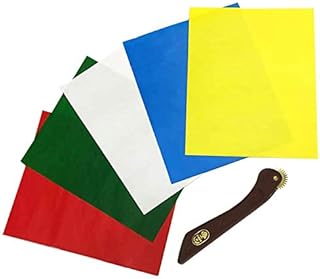
AMORNPHAN 5 Sheets 5 Colors Carbon Tracing Paper
Check PriceFrequently Asked Questions
Can I use regular paper instead of tracing paper?
Regular printer or craft paper lacks the transparency needed to see pattern lines underneath. You could use it with carbon transfer paper, but the process becomes more cumbersome. Dedicated tracing paper provides the clarity and durability that make pattern copying efficient and accurate.
How do I prevent tracing paper from tearing?
Handle the paper gently and avoid pulling or tugging while tracing. Choose a heavier weight tracing paper or Swedish tracing paper for increased durability. Store your paper rolls flat and away from moisture to maintain their structural integrity over time.
What is the best tracing paper for beginners?
Standard translucent tracing paper in an 18 inch or 24 inch wide roll is an excellent starting point. It is affordable, widely available, and forgiving for practice sessions. As you gain confidence, experiment with Swedish tracing paper for its sewable, fabric like qualities.
Can I trace patterns onto fabric directly?
Yes, using carbon transfer paper and a tracing wheel transfers markings directly to fabric. This method skips the paper tracing step but does not preserve the original pattern. It is best suited for simple designs where you are confident about the fit and do not need a reusable copy.
How long do traced patterns last?
With proper storage in envelopes or hanging files, traced patterns can last for many years. Swedish tracing paper is especially long lasting due to its fiber based, tear resistant composition. Paper patterns kept away from sunlight and humidity remain usable for decades of sewing enjoyment.

Bienfang Sketching & Tracing Paper Roll – 36″ x 50 yd
Check PriceConclusion
Mastering how to use tracing paper for sewing transforms the way you approach every project. It protects your investment in patterns, enables custom fitting, and opens creative doors for design modifications. The small time investment in tracing pays enormous dividends in sewing satisfaction and professional results.
Start with a quality roll of tracing paper, a few basic tools, and a patient mindset. Practice on simple patterns first, then gradually tackle more complex designs as your confidence grows. Every traced line builds your skills and brings you closer to a wardrobe filled with perfectly fitted garments.
Remember that the best sewists treat their patterns as valuable resources to be preserved and reused. Tracing paper is the key that unlocks the full potential of every pattern envelope in your collection. Embrace this essential technique and watch your sewing craftsmanship reach new heights of precision and creativity.

Kissbuty 22 Pcs Transfer Paper and Tracing Paper Set
Check Price