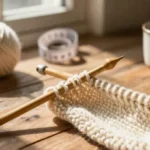

Choosing your first set of knitting needles can feel overwhelming with all the shapes, sizes, and materials on the market. This guide walks you through every factor that matters for a beginner, from needle type to comfort. You will learn how to match your tools to your yarn and project style. By the end, you will feel confident picking up needles that suit your hands and goals.
Why Needle Choice Matters for New Knitters

The right needle makes learning to knit smoother and more enjoyable. A poorly chosen needle can cause dropped stitches, hand fatigue, or gauge problems that discourage a newbie. Your needle acts as an extension of your hands, so its weight, grip, and tip shape influence your tension. Investing a little time in selection saves hours of frustration later.
Beginners often overlook how needle material affects stitch control. Slippery needles can cause yarn to slide off too easily, while sticky ones may slow down movement. Finding the balance between grip and glide helps you maintain consistent stitches. This becomes especially important when you are still mastering hand coordination.
Understanding Knitting Needle Types: Straight, Circular, and Double Pointed

Yarniss Bamboo Circular Knitting Needle Set
Check PriceStraight needles are the classic choice, with a point on one end and a stopper on the other. They work well for flat pieces like scarves and dishcloths, giving beginners a simple, controlled experience. However, their length can be cumbersome for larger projects. They also limit you to working in rows, not in the round.
Circular needles consist of two short tips connected by a flexible cable. They are incredibly versatile, allowing you to knit flat by turning your work or seamlessly knit in the round for hats and cowls. Beginners often find them more ergonomic because the weight of the project rests in your lap. A mid length cable around 24 to 32 inches is a great all around starter.
Double pointed needles, called DPNs, come in sets of four or five and are used for small circumference projects like socks and sleeve cuffs. They can be tricky for new knitters due to the multiple needle points. It is often easier to learn circulars first before tackling DPNs. Still, they remain essential for certain projects.
The Best Materials for Beginner Knitting Needles

Weabetfu 56Pcs Knitting Needles Set
Check PriceWood and bamboo needles offer a warm, natural grip that gently holds stitches in place. This makes them ideal for beginners who struggle with stitches sliding off the tips. Bamboo, in particular, has a slight texture that provides control without being sticky. Over time, wooden needles develop a smooth patina that enhances glide.
Metal needles, often made of aluminum or stainless steel, are slick and durable. They allow yarn to move quickly, which can speed up knitting once you have mastered tension. However, they can be too slippery for a beginner, leading to dropped stitches. If you choose metal, look for a brushed or matte finish for a little extra grip.
Plastic and acrylic needles are lightweight and budget friendly. They work well for bulky yarns and are often found in beginner kits. Their surface can feel slightly grippy, similar to bamboo, but may lack long term durability. Consider plastic if you want an inexpensive way to try different sizes before investing in better needles.
How to Read Needle Sizes Across Systems

Hzkokon 2.17 Inch Short Interchangeable Knitting Needles
Check PriceKnitting needles are labeled using metric (millimeters), US, and UK sizing systems. The metric size, such as 4.0 mm or 5.0 mm, is the most universal and reliable. US sizes run from 0 to 50, but the numbers do not always correlate smoothly with metric measurements. Relying on millimeter sizing eliminates confusion when following patterns from different countries.
Beginner patterns typically call for medium sized needles between 4.5 mm and 5.5 mm. These sizes pair well with worsted weight yarn, the most common yarn for new knitters. Check the needle size listed on the yarn label or pattern to ensure a match. Keep a needle sizer gauge handy to identify mystery needles in your kit.
Matching Needle Size to Yarn Weight

9 Pairs Bamboo Knitting Needles Set
Check PriceEvery yarn label suggests a recommended needle size, giving you a reliable starting point. For a standard worsted weight yarn, you will usually see a suggestion of 4.5 mm to 5.5 mm needles. Lighter yarns like sport or fingering weight require smaller needles below 4.0 mm. Bulky and super bulky yarns call for larger needles above 8.0 mm.
The Craft Yarn Council provides a standard yarn weight system that helps you pair materials correctly. You can refer to their chart when shopping for supplies. Always knit a gauge swatch before starting your project, even if you match the label exactly. Your personal tension might require a slight adjustment up or down.
If you are unsure which size to start with, try a US 8 (5.0 mm) needle. It is the workhorse size for countless beginner patterns. For more detailed guidance, see our article on what size knitting needles for beginners. Remember, the right size creates a fabric that is neither too stiff nor too loose.
Comfort and Ergonomics: Finding Needles That Feel Good

BetyBedy 36PCS Bamboo Knitting Needles Set
Check PriceNeedle tip shape directly impacts how easily you insert the needle into stitches. Pointier tips are great for intricate lace work but can split yarn if you are not careful. Blunt or rounded tips are more forgiving for beginners using plied yarns. Look for a medium tip that offers both ease and safety.
The weight and grip of the needle body affect hand fatigue during long knitting sessions. Lighter materials like bamboo or carbon reduce strain, while heavier metal can tire your wrists. Choose a needle with a comfortable surface that does not require a death grip. Smooth joins on circular needles prevent yarn from catching and interrupting your rhythm.
Starter Sets vs. Individual Needles: Which Is Better?

Katech Knitting Needles Set for Beginners
Check PriceA comprehensive starter set gives you multiple sizes and types in one purchase, saving money over buying individually. Sets often include a storage case, stitch markers, and other accessories that are helpful for a new stitcher. You can experiment with different needle thicknesses without guessing what you might need next. Interchangeable sets let you swap tips and cables for maximum flexibility.
Buying individual needles makes sense if you only plan to knit one or two specific projects. It reduces upfront cost and avoids clutter. However, you risk accumulating a mismatched collection that lacks the size you need for the next pattern. For most beginners, a well curated set is the smartest investment.
If you prefer to see recommended products, explore our roundup of best knitting needles for beginners. It highlights top rated sets that balance quality and price. This can help you narrow down the options without hours of research.
Common Beginner Mistakes and How to Avoid Them

7 Pairs Bamboo Knitting Needles Set
Check PriceOne frequent error is choosing needles that are too long or too short for the project. Needles that are overly long make small items awkward, while short ones can cause stitches to bunch and fall off. Always check the pattern recommendations for needle type and length. Having a versatile circular needle in a 24 inch cable covers many flat and circular projects.
Ignoring material grip leads to tension struggles. Beginners often grab shiny metal needles because they look sleek, only to find their yarn slipping uncontrollably. Starting with wood or bamboo gives you more control until your hands learn consistent tension. You can always transition to faster metal needles later as your confidence grows.
Avoid skipping the gauge swatch just because you matched the suggested needle size. Yarn weight and personal knitting style create subtle differences that affect the finished size of a garment. Swatching takes a few extra minutes but prevents wasted hours of knitting. It also helps you feel how the needle and yarn interact before committing to a full project.
FAQ: Your Top Knitting Needle Questions Answered

Aeelike Knitting Kit for Beginner Adult
Check PriceWhat type of knitting needle is best for an absolute beginner?
A medium sized wooden or bamboo circular needle with a 24 inch cable is often the most forgiving choice. It works for both flat and in the round projects, and the natural grip prevents dropped stitches. You can later add other types as your skills expand. Many find this single needle a confidence boosting starter.
Should I buy an interchangeable set right away?
An interchangeable set is a great long term investment if you plan to knit regularly. It gives you the flexibility to combine different tip sizes and cable lengths for any project. For casual knitting, a fixed circular or a small set of straight needles may suffice. Start with a budget friendly set and upgrade when you know your preferences.
How do I know if a needle is too slippery?
If your stitches slide to the other end without any effort, the needle is likely too slick for your tension. This often happens with new metal needles and smooth acrylic yarn. You can try a needle with a matte finish or switch to bamboo. Over time, you may appreciate the speed once you build control.
Can I use the same needles for all yarns?
While a versatile size like US 8 (5.0 mm) works for many worsted weight yarns, different yarn weights require different needle diameters. Using a needle that is too small makes stiff fabric, and too large creates a loose, holey fabric. Always check the yarn label and knit a gauge swatch. A small collection of three to five sizes covers most beginner projects.
Conclusion: Start Your Knitting Journey Right

Fairycece Bamboo Knitting Needles Set
Check PriceSelecting your first knitting needles does not have to be complicated when you focus on comfort, control, and the right size. Understanding the differences between straight, circular, and DPNs helps you pick the tool that matches your project goal. Wood and bamboo materials offer the friendliest learning experience for most beginners. A medium 5.0 mm circular needle is an excellent all purpose choice to build skills on.
With a basic needle set and the knowledge to match yarn weight, you are ready to cast on your first scarf, hat, or washcloth. Remember to swatch, stay patient with your progress, and enjoy the meditative rhythm of knitting. The right needles turn a challenging new hobby into a calming creative outlet. Happy knitting!