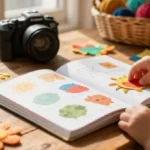

Teaching a child to sew is a wonderful way to share creativity while building fine motor skills and patience. Whether you are a parent, grandparent, or teacher, the process can be joyful when you match activities to their age and interests. Start with simple hand sewing before introducing a machine, and always keep safety in mind. The right projects and resources transform learning into a rewarding adventure.
Understanding Your Child’s Readiness

Most children show readiness for sewing between ages five and seven, but interest matters more than a specific number. Look for signs like the ability to follow two step directions, good hand eye coordination, and a curiosity about how things are made. Younger children often thrive with lacing cards and plastic needles, while older beginners can handle a real needle and thread. Always follow their pace and keep sessions short and positive.
Essential Safety First

Sewing Machine Projects for Children
Check PriceBefore the first stitch, establish a safety routine that feels natural. Always supervise young sewists, especially around sharp scissors, needles, and irons. Use child safe scissors with rounded tips and store needles in a pincushion or magnetic holder when not in use. Teach them to keep fingers away from the needle path and to never run with tools.
Choosing the Right First Project

Kids’ Sewing Workshop
Check PriceA successful first project is quick, forgiving, and uses straight lines. Think felt bookmarks, simple stuffed shapes, or a drawstring pouch made from pre cut fabric. Avoid slippery fabrics and intricate shapes that can frustrate early learners. Celebrate every finished object, no matter how imperfect, to build confidence and pride.
Hand Sewing Versus Machine Sewing for Kids

The Best of Sewing Machine Fun for Kids
Check PriceHand sewing teaches foundational skills like threading a needle, knotting, and controlling stitch length without the noise and speed of a machine. It is cheaper, portable, and gives children a real sense of making. Introduce a machine once they can confidently sew a running stitch and handle basic tasks independently. Both methods have value, so let the child’s interest guide the transition.
Setting Up a Kid Friendly Sewing Space

Sewing For Kids
Check PriceCreate a dedicated sewing corner with good lighting and a comfortable chair at the right height. Keep supplies like thread snips, pins, and a small iron for pressing within reach but organized in containers. A low table or adjustable desk helps young sewists see the machine bed easily. Labeling drawers with pictures empowers children to gather and put away materials independently.
Teaching Basic Stitches

So You Want To Be A Fashion Designer
Check PriceBegin with the running stitch using a large tapestry needle and contrasting thread on burlap or felt. Demonstrate how to weave the needle in and out in a straight line, then let them try on a pre punched line. Once they master that, introduce the backstitch for stronger seams and the whipstitch for edges. Use a simple chant or song to reinforce the up and down rhythm.
Fun Starter Projects: Felt Bookmarks and More

Sewing Machine Basics for Children
Check PriceFelt does not fray, making it the perfect fabric for early projects. Cut two rectangles of felt, let the child decorate one with fabric markers, then stitch around three sides with a running stitch. Insert a piece of cardboard for stiffness if desired. Other quick wins include simple pin cushions, felt envelopes, or a tiny plushie. You can find more inspiration with free pillowcase patterns that build on straight seams.
Moving to the Sewing Machine

My First Sewing Machine
Check PriceSelect a lightweight, basic mechanical machine with a finger guard and speed control. Before threading, have the child practice sewing on paper without thread to learn pedal control and straight line guiding. Emphasize keeping hands on the sides of the fabric, never near the needle, using the presser foot as a boundary. Review our list of best sewing machines for young beginners for safe, reliable options.
Understanding Sewing Patterns for Children

Best of Sewing Machine Fun For Kids
Check PriceIntroduce the concept of a pattern as a ‘map’ for cutting fabric. Show them how to find the grainline, symbol key, and cutting lines on a simple tissue pattern. Let them trace around a template for a pouch or apron rather than pinning tissue to fabric. The Spruce Crafts offers a helpful guide to teaching kids to sew that includes pattern literacy tips. Keep instructions visual and read each step aloud together.
Encouraging Creativity and Improvisation

Stitch and String Lab for Kids
Check PriceOnce the basics are familiar, invite children to design their own simple projects. Let them choose fabric colors, add button eyes, or sketch a shape to stitch. Encourage ‘design thinking’ by asking what they want the finished item to do or how it should feel. Mistakes become opportunities to problem solve, which builds resilience and a maker mindset.
Troubleshooting Common Frustrations

Craft-Tastic Let’s Learn to Sew Kit
Check PriceTangled thread, skipped stitches, and uneven seams can discourage a child quickly. Stop and model calm troubleshooting, checking the threading path, tension, and needle type first. Keep a seam ripper handy and frame it as a ‘magic eraser’ rather than a sign of failure. Short breaks, a favorite snack, or a silly sewing related joke can reset the mood instantly.
Building Skills with Advanced Projects

My First Hand Sewing Book
Check PriceGraduate to projects with curved seams, elastic casings, or simple bag linings. A gathered skirt with an elastic waist or a reversible bucket hat teaches new techniques while yielding wearable results. Encourage them to follow a printed pattern from start to finish, offering help only when asked. Each completed project adds a new skill to their toolkit and deepens their love for sewing.
Resource Roundup: Books and Kits Worth Trying

Sewing School Fashion Design
Check PriceWell designed sewing books for kids pair clear photos with age appropriate language. Look for titles that include tear out patterns, stickers, and progress charts to keep motivation high. Subscription craft kits also offer monthly surprises that build skills sequentially. Stocking a little library of visual guides makes independent learning possible between your shared sessions.
Frequently Asked Questions
What age should a child start sewing?
Many children can begin hand sewing around age five, while machine sewing often suits ages seven and up with supervision. Watch their fine motor control and interest level rather than a strict birthday. A few happily stitch at four, and some are not ready until eight.
Should I start with hand sewing or a machine?
Hand sewing gives the most direct feel for the craft and reduces intimidation. Start with a running stitch on burlap, then introduce a machine once they are comfortable handling a needle and thread. This sequence builds a strong foundation without overwhelming them.
What are the easiest projects for a first sew?
Felt bookmarks, simple monster plushies, and drawstring pouches are ideal because they use straight seams and no hemming. Choose projects that finish in thirty minutes or less to keep attention and enthusiasm high.
How do I choose a safe sewing machine for a child?
Look for a mechanical model with a finger guard, speed control, and a needle up/down button. A slower maximum speed and sturdy build prevent accidents. A beginner machine should feel manageable, not intimidating, to the young user.
Conclusion
Teaching a child to sew is about fostering patience, creativity, and practical life skills in a supportive way. By matching projects to their readiness, prioritizing safety, and celebrating every finished piece, you build a lasting love for making. The journey from first lacing card to sewing a simple garment is full of proud moments. With the right tools and gentle guidance, you are giving them a gift that will serve them for a lifetime.