
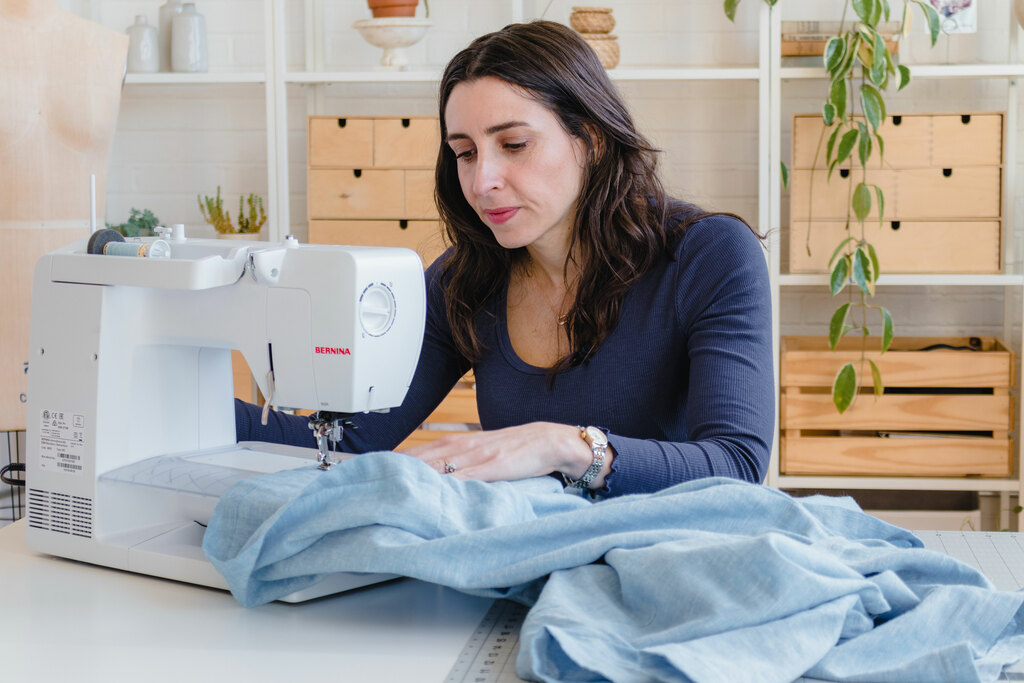

How to gather sewing: I’ll show you simple, accurate methods you can trust. I wrote this guide to help you create soft ruffles, even fullness, and clean seams without stress. By the end, you’ll know how to gather sewing by hand and by machine, how to set ratios, and how to fix common issues fast.
Best Tools & Supplies for Gathering Fabric
Using the right sewing tools makes gathering fabric faster, neater, and more consistent — whether you’re working on ruffles, skirts, or sleeves.
1. Gathering Foot for Sewing Machine

Aiskaer 48Pcs Sewing Machine Presser Feet Foot Set for Brother, Babylock, Singer, Janome, Elna, Toyota, New Home, Simplicity, Kenmore
Check PriceEasily creates even gathers while you sew. Perfect for long ruffles or when attaching gathered fabric to a flat piece.
2. Ruffle Foot Attachment
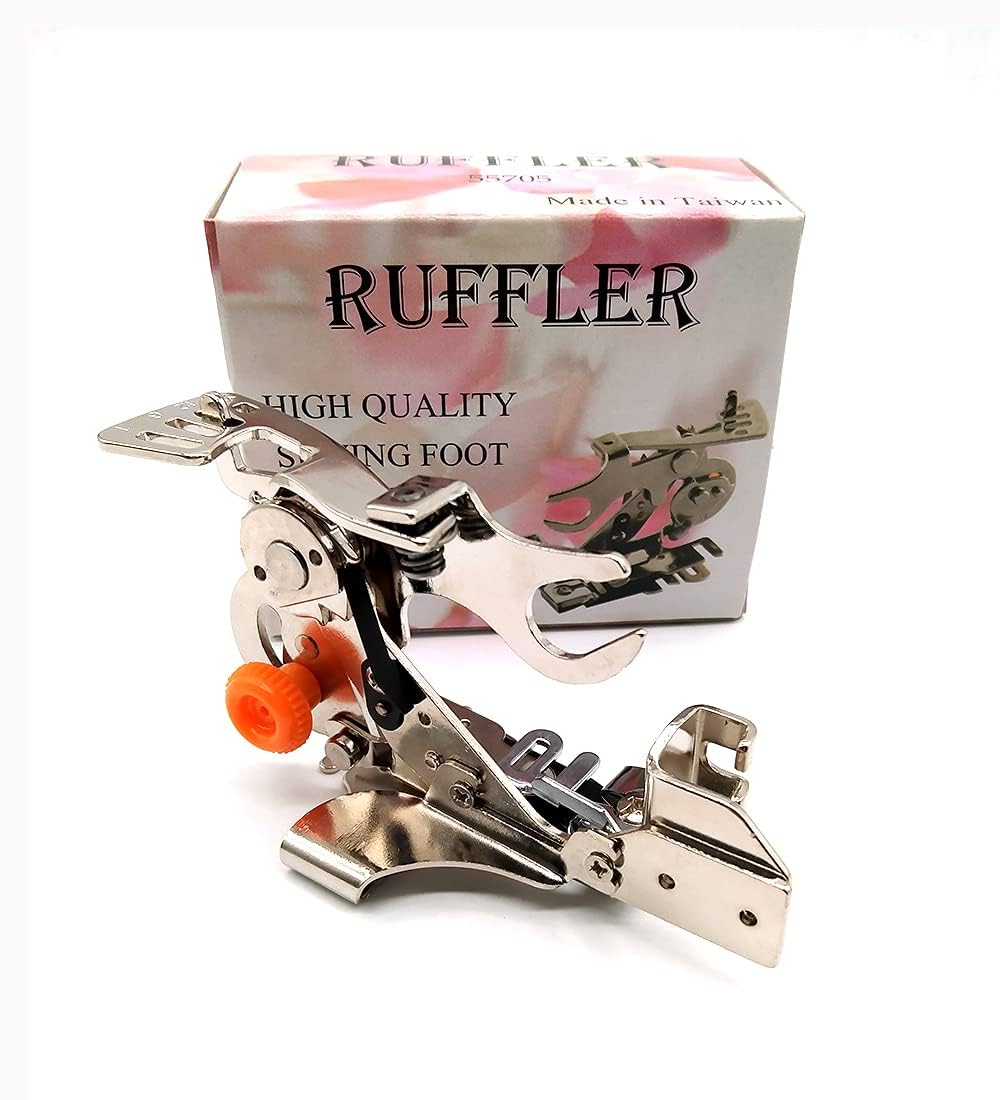
LNKA Ruffler Presser Foot Attachment Low Shank Foot for Janome Brother Singer Pfaff Rufler Sewing Machine
Check PriceIdeal for making pleats and decorative ruffles, great for dresses, curtains, or doll clothes.
3. Fabric Clips or Pins

Multipurpose Sewing Clips, 100 Pcs Premium Plastic Fabric Clips Supplies
Check PriceKeeps gathered fabric layers securely in place before stitching. Prevents slipping and uneven gathers.
4. Seam Ripper

Sewing Seam Ripper Tool,Stitch Remover and Thread Cutter with 2Big+2Small Seam Rippers,1 Pack Thread Snips,1Pack 5”Scissor
Check PriceA must have for fixing uneven stitches or adjusting the gathering line with precision.
5. Strong Polyester Thread

Simthread All Purpose Sewing Thread from 100% Spun Polyester for Serger, Overlock, Merrow, Quilting Sewing
Check PriceDurable and smooth, perfect for holding tight gathers without breaking mid seam.
What Is Gathering In Sewing?
Gathering pulls a longer piece of fabric into a shorter length using one or more rows of long stitches. The fabric forms small folds called gathers. This technique shapes dresses, sleeves, skirts, and home decor. It’s quick, strong, and easy to learn if you follow a few smart steps for how to gather sewing.

Common Gathering Methods
Gathering can be done by hand, with a regular machine foot, a gathering foot, or elastic. Each option changes the look and speed. The best method depends on fabric weight, length, and your project. I use different methods for cotton, chiffon, and denim to keep how to gather sewing consistent and clean.
- Hand gathering with running stitches
- Two or three machine basting rows
- Zigzag over cord or dental floss
- Gathering foot or ruffler attachment
- Elastic or clear elastic for stretch seams

Why Gather Fabric?
Gathering adds comfort, movement, and style. It reduces a large panel to a target width while keeping volume. In apparel research, soft fullness improves drape and perceived quality. Peer-reviewed tests show that even tension leads to smoother distribution and fewer seam defects. That’s why I focus on measured ratios and stable threads when I teach how to gather sewing.

Tools And Materials Checklist
You don’t need much to master how to gather sewing, but the right tools help. Use these:
- Sharp universal or microtex needles (size 80/12 for light-medium woven)
- Polyester all-purpose or core-spun thread for strength
- Quality pins or clips
- Measuring tape and fabric marker
- Pressing tools: steam iron, clapper
- Walking foot or Teflon foot for slick fabrics
- Gathering foot or ruffler if you want speed

How To Gather Sewing By Hand
Hand gathering gives you control on delicate or slippery fabric. I use it for chiffon, tulle, and lace trims where accuracy matters. Here’s exactly how to gather sewing by hand.

- Mark the section to be gathered with chalk or removable marker.
- Thread a hand needle with strong polyester. Knot the tail.
- Sew a long running stitch 1/4 inch from the edge. Keep stitches even.
- Add a second row 1/8 inch away for stability.
- Pull the bobbin-side tails gently until the piece matches your target width.
- Distribute fullness with your fingers.
- Knot the ends around a pin to lock length.
- Press lightly with steam from above. Don’t crush the folds.
How To Gather Sewing By Machine
Machine gathering is fast and neat. It’s my go-to for cotton skirts and ruffled hems. Follow this simple method for how to gather sewing on a standard machine.
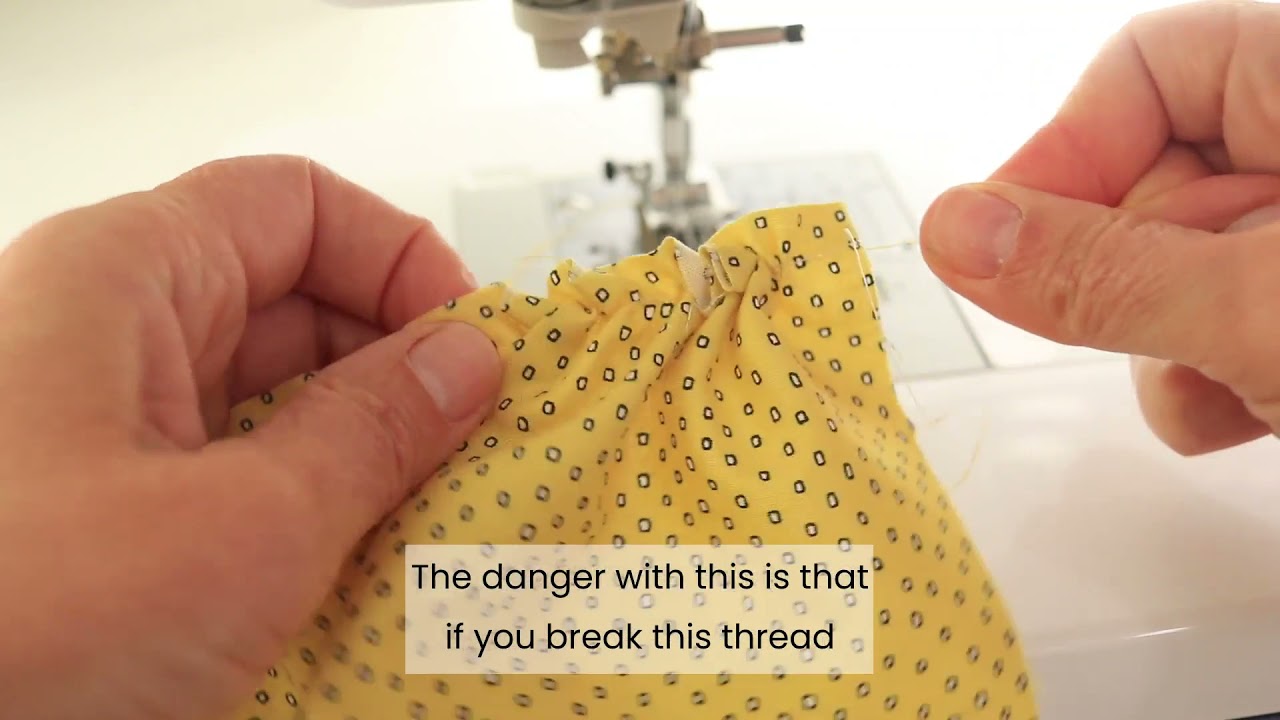
- Set stitch length to 4.0–5.0 mm.
- Lower top tension slightly if your fabric tunnels.
- Sew one basting row 1/4 inch from the edge.
- Sew a second row 3/8 inch from the edge.
- Leave long thread tails at both ends.
- Pull the bobbin threads to gather to your target width
- Tie off around pins, then stitch the gathered piece to the flat piece with a normal stitch length.
- Remove basting threads if visible.
Settings For Even Gathers
Balanced settings matter for how to gather sewing. Research on stitch formation shows that longer stitch length with stable thread reduces thread breaks. I set length at 5.0 mm for heavy cotton and 4.0 mm for light poplin, with tension 3–4 for most woven fabrics. Test on scraps first and note your best combo.
Using A Gathering Foot
A gathering foot tucks fabric as you sew. It’s fast for light to medium cotton. It can also gather and attach to flat fabric in one pass. For how to gather sewing with a foot, stitch length 3.5–4.0 mm and normal tension give soft, even results. Heavier fabric may need a ruffler attachment.
Math Made Simple: Ratios And Yardage
Ratios keep your gathers predictable. I rely on quick math whenever I plan how to gather sewing.
Common ratios: 1.5:1 for gentle, 2:1 for standard, 3:1 for plush ruffles.
Example: You need a 20-inch waistband. For 2:1 fullness, cut 40 inches to gather down to 20 inches. Lightweight fabric handles 2–3:1 well. Medium fabric prefers 1.5–2:1. Heavy fabric stays near 1.3–1.75:1 to prevent bulk.
Studies on seam puckering show that lower compression (less extreme ratios) reduces distortion and needle heat buildup. Use smaller ratios for dense twills or denim.
Troubleshooting: Fix Wavy, Uneven, Or Snapped Threads
Even pros hit snags. Use these quick fixes to keep how to gather sewing smooth and stress-free.
Wavy edge: Shorten the ratio or add a second basting row. Press up and down with steam. Don’t slide the iron.
Uneven fullness: Add a third basting row between the first two, then redistribute with pins every 2 inches.
Snapped threads: Switch to polyester core-spun thread. It resists friction better than cotton, especially at long stitches.
Puckers at seam: Lengthen stitch to 2.8–3.0 mm on the final seam and lighten presser foot pressure if your machine allows.
Prevent Puckers
Puckers happen when fabric compresses too much under the seam. Research shows that lower presser pressure and proper needle size reduce puckering on thin fabrics. For how to gather sewing on voile, I use an 80/12 Microtex needle, a walking foot, and a 2.8–3.0 mm final stitch. Press with a cool iron and a press cloth.
Repair Snapped Gathering Threads
If a thread snaps mid-pull, don’t panic. For how to gather sewing in a pinch, zigzag over dental floss or button cord. Then pull the cord instead of the thread. Sew the final seam, and slide the cord out afterward if it’s not caught. This trick saves fragile fabric like silk.
Expert Tips And Best Practices For 2025
I keep notes, test scraps, and use modern tools to improve how to gather sewing every season. Here’s what works in 2025.
- Use core-spun polyester thread. Peer-reviewed data shows higher tensile strength and abrasion resistance than cotton in long basting runs.
- Try adjustable presser foot pressure. Lower settings reduce drag in sheer fabrics.
Pre-finish edges with a serger on fray-prone fabric before gathering. - Steam-block gathers before the final seam to set the shape.
- For knits, gather with clear elastic at 10–20% negative ease for long-term recovery.
Track your best settings on a card for each fabric type.
Frequently Asked Questions
How Many Rows Of Basting Should I Use?
Two rows work for most woven fabrics. Add a third row for slippery or sheer fabric to keep lines stable.
Which Thread Is Best For Gathering?
Polyester or core-spun polyester is best. It resists breaks and heat better than cotton during long pulls.
What Ratio Should I Use For A Skirt Ruffle?
Use 2:1 for a classic look. Go 3:1 for very full ruffles in lightweight fabric, and 1.5:1 for medium or heavy fabric.
Can I Gather Knit Fabric?
Yes. Use clear elastic or a zigzag stitch. Attach elastic stretched slightly to the fabric edge, then sew the seam.
Why Are My Gathers Uneven?
Your stitch rows may be too close or too far. Try rows at 1/4 inch and 3/8 inch from the edge, and pull the same thread tails.
Do I Remove The Basting Stitches?
If they show on the right side, remove them after the final seam. If they’re hidden and secure, you can leave them.
Conclusion
You now know how to gather sewing with confidence. Use the right ratio, stable thread, and smart settings. Test on scraps, press lightly, and secure your lengths before you stitch the final seam.
Start small with a ruffled pillow or a gathered skirt panel today. Share your results, ask questions, or subscribe for fresh sewing guides and 2025 updates.


Pingback: Best Thread For Sewing: Expert Picks For Smooth Stitches - Fabric Yardage Calculator