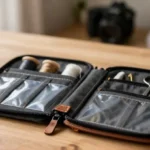

A sewing bag is a specialized storage solution designed to keep your threads, needles, scissors, patterns, and even your sewing machine neatly organized. Whether you are a beginner learning through guides like understanding sewing pattern paper or a seasoned crafter, a good organizer saves time and protects your tools. This article explores every facet of sewing bags, from materials to must have features, helping you pick your ideal companion.
Understanding the Sewing Bag: A Comprehensive Overview

Simply put, a sewing bag is any carryall, tote, or case crafted specifically for sewing supplies. These bags evolved from simple baskets to feature padded dividers, transparent pockets, and detachable pouches. Modern designs cater to everyone from embroidery enthusiasts, who might need to reference why embroidery is experiencing changes, to quilters moving between classes. High quality options prevent tangled threads and lost needles, making your creative space tidy.
The term can also encompass hard shell cases for sewing machines or rolling luggage styles for instructors on the go. The common thread is intelligent compartmentalization, which transforms chaos into a streamlined workflow. For those who enjoy projects like learning how to sew a tote bag, having a dedicated sewing bag means you can grab your kit and create anywhere. It is the backbone of a portable studio.
The Multifunctional Nature of Sewing Organizer Bags

Golkcurx Sewing Machine Carrying Case
Check PriceA modern sewing bag is never just a single purpose item. Many models serve as a project bag, a notions caddy, and a protective machine carry case all in one. The best designs include removable inserts so you can reconfigure the interior for large fabric cuts or bulky trims. This adaptability appeals to crafters who dabble in everything from garment sewing to home décor.
Look for bags that include separate padded compartments for delicate presser feet and a tablet sleeve for digital patterns. Integrated thread spool holders prevent tangling, while mesh pockets let you see contents instantly. This multifunctionality eliminates the need for multiple clunky containers, simplifying storage and making setup at workshops or retreats effortless.
How Sewing Bags Protect Your Valuable Tools

HOMEST Sewing Machine Carrying Case
Check PriceProtection is a sewing bag’s most fundamental role. Scissors, seam rippers, and rotary cutters can easily damage surrounding fabric or dull their edges if left loose. A well padded case with elastic loops and secure Velcro straps keeps each instrument in its place, avoiding nicks and accidental cuts. This preservation strategy extends the life of expensive shears and needles.
Machine carrying bags offer reinforced frames and thick foam padding to shield your device during travel. Dust covers and water resistant exteriors add another layer of defense against environmental hazards. Even small accidents, like a spilled coffee, become manageable when your tools are encased in a quality sewing bag, saving you from costly repairs.
Different Types of Sewing Bags Available Today

Anitor Craft and Sewing Supplies Storage Tote
Check PriceSewing bags split into several categories, each suited to specific needs. Soft totes with open tops are ideal for storing fabric projects and large patterns. Hard shell cases excel at machine transport, while rolling trolleys cater to those with heavy equipment. Understanding these types helps you match a bag to your crafting habits.
Double layer organizers feature two distinct compartments for separating small notions from bigger items. Backpack styles leave your hands free, perfect for outdoor fairs. There are even dedicated embroidery bags with specialized floss organizers. Expert craft resource The Spruce Crafts often recommends matching the bag type to your most frequent activity.
Essential Features of a High Quality Organizer

Anitor Double Layer Sewing Supplies Organizer
Check PriceWhen evaluating a sewing bag, pay attention to the material quality and stitching. Nylon and polyester fabrics resist tears and water, while padded sides protect sensitive items. Sturdy zippers with large pulls make opening and closing fuss free, even with one hand. Inside, clear plastic pockets offer visibility without rummaging.
Detachable pouches are a game changer, allowing you to take only the tools needed for a specific task. Adjustable dividers let you customize the layout as your collection grows. A comfortable handle or shoulder strap matters greatly if you attend weekly classes. These small details separate premium organizers from basic storage bins.
Sewing Machine Carrying Cases Versus Tote Bags

FINPAC Sewing and Craft Supplies Storage Tote
Check PriceMachine cases are engineered with rigid walls and custom foam inserts to cradle your specific model during transit. Tote bags, on the other hand, prioritize flexible storage for a variety of supplies. Choosing between the two depends on what you need to carry most. A quilter with a lightweight machine might prefer a padded tote.
Some hybrids cleverly offer removable inner frames, converting a soft tote into a structured carrier. The crucial factor is weight distribution: cases with wheels ease the burden of heavy machines. For those who only sew at home, a tote filled with organized notions and a sturdy grab handle is often the smarter, more versatile solution.
Why a Double Layer Organizer Changes Everything

Double Layer Sewing Organizer Bag (Blue)
Check PriceThe double layer design physically separates small items like bobbins and hand needles from larger tools and fabric. This prevents the classic ‘bottomless pit’ syndrome where everything sinks to the bottom. The top section often has specialized elastic bands for thread spools, while the bottom compartment accommodates shears and marking tools neatly.
Artists who switch between machine embroidery and hand stitching appreciate the instant organization. Everything has its own distinct home, reducing the frustration of misplaced snips. This layout also makes it easier to pack for a retreat, allowing you to keep your current project on top and backup supplies elsewhere, fully separated.
Choosing a Sewing Bag Based on Your Craft

Marscamd Sewing Organizer Bag (Pink)
Check PriceYour primary sewing activity should drive the bag selection process. Garment sewers need space for rolled patterns, large fabric shears, and a dress form tape measure. Quilters require flat compartments for rulers and specialized feet. An embroiderer’s bag will focus on floss organization, hoops, and tiny, sharp snips. Tailor the storage to your hobby.
Consider how often you attend classes or sew with friends. A lightweight, grab and go format is best for portability, while a capacious stationary organizer suits a dedicated home sewing room. Knowing your habits prevents overbuying or ending up with a bag that does not hold your essential set of go to tools comfortably.
Material and Build Quality That Lasts

Telawsfun Sewing Supplies Organizer Bag
Check PriceThe most reliable sewing bags use 600D polyester or ballistic nylon for tear and abrasion resistance. Reinforced stitching at stress points, such as handle attachments, prevents sudden blowouts. A padded bottom panel adds structure and shields contents if you set the bag on damp ground. Examine these details to gauge long term durability.
Interior linings in bright colors aid visibility, making it simpler to spot black thread or dark needles. Water resistant coatings on zippers are a plus for outdoor workshops. Finetuned build quality ensures the bag itself does not become a project, meaning it stays reliable for years without fraying or sticky zipper failure.
Compact Solutions for Small Space Sewists

AMOIGEE Double-Layer Organizer Bag
Check PriceNot everyone has a dedicated craft room. Compact sewing bags with a vertical footprint tuck neatly onto a shelf or inside a closet. Foldable organizers with collapsible dividers can expand when in use but flatten for storage. These space saving designs are perfect for apartment dwellers and occasional hobbyists who value stealth organizing.
Look for slim profiles that still offer multiple pockets. Some models hang over a door, serving as a visual reminder to finish that hem. Portability remains key; a lightweight, compact bag means you can sew at the kitchen table and pack everything away in minutes before dinner, maintaining household harmony effortlessly.
Maximizing Storage With Detachable Pouches

Remobia Hicol Double Layer Sewing Organizer
Check PriceModular storage is a rising trend in sewing bags, offering unmatched flexibility. Detachable pouches let you create a mini kit for hand sewing on the couch while leaving the main bag at your machine. This system adapts as your tool collection changes, eliminating wasted space from fixed dividers that no longer fit your gear.
Label each pouch for pins, marking tools, or specific project components. When you need to switch tasks, simply swap one module out. This approach also simplifies sharing supplies during classes or teaching moments. It encourages a minimalist mindset, helping you carry only what you truly need without the clutter of excess bulk.
Caring for and Maintaining Your Sewing Bag

CAB55 Rolling Sewing Machine Case
Check PriceRegular maintenance keeps your sewing bag in top shape. Wipe down the exterior with a damp cloth and mild soap to remove lint and thread dust. Check zippers for fabric threads caught in the teeth and gently remove them with tweezers. Empty the bag occasionally and vacuum the interior corners to banish stray pins or broken needles.
Oil zippers infrequently with a tiny dab of sewing machine oil to maintain buttery operation. Avoid overstuffing, which strains seams and zipper tracks over time. Store the bag in a dry, cool spot away from direct sunlight to prevent fading and material degradation. This simple ritual adds years to its life.
Frequently Asked Questions About Sewing Bags

Large Sewing Organizer Bag with 2 Detachable Clear Storage Boxes
Check PriceWhat is a sewing bag used for?
A sewing bag organizes and transports sewing supplies like scissors, threads, needles, pins, patterns, and even small sewing machines. It keeps items tidy, prevents damage, and makes it easy to sew anywhere. Some are simple totes, while others are padded cases designed specifically for machine protection.
Can a sewing bag hold a full size sewing machine?
Yes, dedicated sewing machine carrying cases are built with rigid or padded frames to accommodate standard home machines. Soft tote style sewing bags may not offer enough structure unless they have reinforced bottoms. Always check the internal dimensions against your machine’s measurements before buying.
What materials are best for a durable sewing bag?
Look for high denier polyester, ballistic nylon, or canvas with water resistant coatings. Reinforced stitching and heavy duty zippers are critical. The interior should have a smooth lining that will not snag threads or fabric pieces. Avoid bags with a strong chemical smell, which may indicate poor materials.
Is a double layer sewing organizer worth it?
Absolutely, if you have many small notions. The upper compartment keeps bobbins, thimbles, and tiny snips instantly accessible, while the lower section stores larger items like shears and fabric rolls. This separation dramatically reduces clutter and makes it faster to find what you need during a project.
How do I clean a fabric sewing bag?
Most fabric bags can be spot cleaned with a mild detergent and warm water. For machine washable models, use a gentle cycle and air dry. Avoid harsh chemicals that could degrade water repellent coatings. Remove all contents and vacuum the inside first to eliminate loose threads and dust.
What size sewing bag should I choose?
Size depends on what you carry. A small tote is sufficient for mending kits or a single project. A large rolling case suits those who transport a machine, cutting mats, and multiple projects. Evaluate your typical sewing haul and choose a bag that accommodates it without being too bulky to handle.
Conclusion: Your Perfect Sewing Companion Awaits
Now that you understand what a sewing bag is and the incredible variety available, selecting one becomes a breeze. Prioritize protection, organization, and portability that matches your craft. Whether you need a portable pocket filled caddy or a heavy duty rolling machine case, the right bag transforms your sewing experience.
Remember to review the product cards throughout this guide for top rated options that real sewists love. Investing in a quality sewing bag saves you time, reduces frustration, and protects the tools that bring your creative visions to life. Keep your supplies safe and your inspiration mobile, wherever you stitch.