
Denim’s rugged twill weave and dense cotton fibers create a real challenge for ordinary adhesives. The fabric is thick, heavily stressed at seams, and constantly flexing during wear. Only a glue that penetrates deeply and stays pliable can survive. A standard craft glue simply cannot handle the demands of your favorite jeans.
The strongest fabric glue for denim must bond inside the yarns and resist water, detergent, and machine agitation. It also needs to remain clear and flexible after curing so that the repaired area doesn’t feel stiff or crack. Anyone who has tried a weak adhesive knows the disappointment of a peeled hem after just one laundry cycle.
Choosing a professional grade, washable fabric glue preserves your time and wardrobe. You get a permanent fix that looks neat and holds through countless wears. We’ll walk you through what makes a glue truly denim ready and how to use it for flawless, long lasting results.
Key Factors That Define a Heavy Duty Denim Bond

FITTDYHE Fabric Glue Permanent 60 ML
Check PriceNot all fabric glues are built to handle denim’s unique demands. You need a formulation with high shear strength and extreme flexibility after curing. Look for adhesives that are labeled permanent, waterproof, and machine washable. A clear drying, non toxic formula is a bonus for visible areas.
Viscosity matters because a glue that’s too thin will soak straight through heavy denim without creating a strong film. A thicker gel like consistency stays on the surface and fills the weave for a mechanical lock. Textile School explains that proper surface energy is critical, so look for glues specifically tested on cotton twill.
Another key factor is the cure method. Air dry glues that remain slightly tacky usually fail, whereas moisture cured or crosslinking adhesives develop a rubbery, permanent network. The strongest fabric glue for denim often uses a modified acrylic or polyurethane base that stays resilient even after dozens of home laundry cycles.
How to Prepare Denim for Maximum Adhesion

Fabric Glue Permanent Extra Strong Clear
Check PricePreparation is just as important as the glue itself. Start by washing and drying your jeans without fabric softener, which can leave a residue that repels adhesives. Then clean the repair area with isopropyl alcohol on a lint free cloth to remove any remaining oils or sizing. Abrading the surface gently with fine sandpaper creates micro roughness for a better grip.
Make sure the denim is completely dry before you apply any glue. Even a small amount of moisture can prevent proper curing and weaken the bond. If you’re fixing a frayed edge, trim any loose threads cleanly so they don’t wick the adhesive away from the main seam. A smooth, flat working surface gives you the most control.
For rips and tears, press the edges together with tight weave fabric tape on the back to create a stable base. This bridging technique stops the glue from seeping through and keeps the repair neat. A few extra minutes spent on prep work dramatically extends the life of your denim mend, making the difference between a quick fix and a permanent solution.
Top Application Techniques for Flawless Results

3Pcs Fabric Glue Permanent 60 ML Set
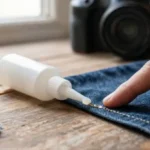
Check PriceApply the strongest fabric glue for denim in a thin, even layer using the fine tip nozzle or a small brush. A thick glob takes longer to cure and is more likely to peel. Spread the adhesive just beyond the damaged area to create a feathered edge that blends into the fabric. Work in small sections to keep the glue workable before it skins over.
Use a piece of wax paper or plastic wrap underneath the repair to prevent accidental bonding to your work table. Press the glued layers together firmly with a silicone spatula or the back of a spoon, applying steady pressure for at least 30 seconds. Clamping the mend with clothespins or heavy books during the initial set time ensures full contact.
Avoid stretching the denim while the glue is wet, as this can create tension points that crack later. Let the repair sit undisturbed for the full recommended cure time, often 24 to 48 hours. Rushing to wear or wash the garment too soon is the number one reason even the best fabric glue fails on denim.
Comparing Permanent Fabric Glue vs. Sewing for Denim Repairs

Aleene’s Fabric Fusion Glue 4 oz
Check PriceSewing remains the traditional choice for strength, but modern adhesives have closed the gap significantly. A needle and thread can handle high stress points like the crotch, yet glue offers a no sew alternative that’s invisible and preserves the original drape. For raw edges that tend to fray, a combination of both often works best.
The strongest fabric glue for denim excels in areas where stitching would be bulky, like narrow hems or delicate seam finishes. It also provides a smooth patch backing without the perforations that needles create. If you lack a heavy duty sewing machine, glue can even replace a tricky repair that would normally demand a professional tailor. For step by step hem guidance, see our article on how to sew original hem in jeans.
However, pure glue bonds can be compromised if the denim is repeatedly subjected to extreme lateral pulling. In such cases, a few reinforcing stitches along the glued seam line provide peace of mind. The good news is that washable fabric glue is fully compatible with machine sewing, so you can topstitch right through the dried adhesive for unshakable security.
Can Fabric Glue Handle Stretchy Denim Blends?

Mighty Mend Liquid Stitch Fabric Adhesive
Check PriceStretch denim with spandex or elastane adds a whole new layer of difficulty because the recovery stretch can tear a rigid adhesive. The solution is to choose a glue specifically formulated to remain highly elastic after curing. These flexible adhesives mimic the fabric’s give without losing grab, making them ideal for skinny jeans and jeggings.
Before applying glue on stretch denim, pre stretch the area slightly over a curved surface like a tailor’s ham. This ensures the adhesive cures in a relaxed state and doesn’t restrict movement. Look for labels that mention elastomeric performance or permanent flexibility, both clear signals of a stretch friendly formula.
Test the bond on an inside seam allowance first to see how the glue reacts to the fabric’s stretch. If it holds without peeling at maximum tension, you can trust it for a visible repair. Even the strongest fabric glue for denim must accommodate the fabric’s natural movement, otherwise it will snap at the weakest link of the mend.
Best Practices for Curing, Washing, and Maintaining the Bond

Gorilla Waterproof Fabric Glue 2.5 oz
Check PriceCure time is non negotiable if you want a permanent result. Most denim grade adhesives need at least 24 hours to reach full strength, and some improve over 72 hours. Keep the garment flat and away from humidity or direct heat sources during this period. A fan can speed up the airing process without affecting the chemical bond.
Once cured, the first wash should be inside a mesh laundry bag on a gentle cycle using cold water. Turn the jeans inside out to shield the repair from abrasive contact with other clothes. Avoid high heat drying for the first few cycles, air drying lets the adhesive continue to condition without thermal shock.
Over time, you can wash and dry the denim normally as long as the glue was rated permanent and machine safe. Inspect the mend periodically and touch up any lifting edges with a dab of fresh adhesive. Properly maintained, a high quality fabric glue bond on denim can easily outlast the garment itself.
Troubleshooting Common Denim Glue Failures

120 ML Fabric Glue Permanent for Clothing Repair
Check PriceIf the glue peels off in a single sheet, the surface wasn’t properly prepped or the adhesive layer was too thick. Sand lightly and reapply a thinner coat. White residue after washing usually means the glue reacted with detergent or fabric softener, stick to mild, clear liquid soaps and double rinse.
A stiff, crackling edge suggests the glue dried too fast or wasn’t flexible enough for the denim weight. In that case, look for a formula marketed as permanent and extra flexible. Stretchy jeans that develop gapping at the repair line need an elastic rated adhesive instead of a rigid one.
Yellowing over time happens when a glue contains solvents that oxidize. Opt for a water based, clear drying product to maintain an invisible finish. If you’ve accidentally glued the pocket lining to the jeans, dab acetone cautiously on the spot and work the fabrics apart gently before the glue fully cures.
Creative Denim Projects Beyond Hem Repair

Fabric Glue Permanent 10 ML x 8 Pack
Check PriceThe strongest fabric glue for denim isn’t just for fixing holes, it opens up a world of no sew embellishment. You can attach rhinestones, studs, or custom patches without a needle. For patch projects, our dedicated resource on the best fabric glue for patches offers tailored advice for a flawless hold.
Try creating a frayed, deconstructed hem by applying a thin line of glue along the cut edge to prevent excessive unraveling. It gives a clean, intentional look that’s trendy and durable. You can also glue down inside belt loops that have torn loose, a repair that’s difficult to sew by machine.
Upcycle old jeans into a tote bag or pillow cover by using fabric glue to assemble panels, then topstitching over the seams for added security. Kid friendly denim crafts become worry free when a safe, washable glue replaces hot glue. The only limit is your imagination, as long as you choose an adhesive built for heavy cotton weight.
Long Term Durability: What to Expect from a Professional-Grade Adhesive

Komoko Fabric Glue Permanent 2.02 Fl Oz
Check PriceWith proper application, a premium fabric glue bond on denim should last the lifetime of the garment. You can expect it to survive 50 or more machine wash cycles without lifting. Real world tests often show that the surrounding fabric frays before the glued seam lets go, proving the connection is truly permanent.
However, longevity depends heavily on the stress area. A hem repair on straight leg jeans holds better than a glued inner thigh on tight fitting styles. In high friction zones, a combination of glue plus a few hidden stitches yields an indestructible fix. Treat the adhesive as your primary anchor, not a miracle shortcut.
Sun exposure and chlorine can degrade certain polymer bonds over years, but everyday indoor wear poses no threat. If you’re mending work jeans that see harsh chemicals, check that the glue is solvent resistant. A little proactive care keeps the repair invisible and the denim perfectly functional season after season.
The Environmental Angle: Eco Friendly and Machine Washable Options

Stnkeno Fabric Glue Permanent Extra Strong
Check PriceMany users now seek non toxic, water based formulas that are safer for skin and the planet. The strongest fabric glue for denim in the eco category uses plant derived acrylates or polyurethane dispersions free of volatile organic compounds. These glues still deliver high peel strength and washability without the chemical smell.
Machine washability itself contributes to sustainability by extending the life of clothing and reducing textile waste. A successful glue repair saves a pair of jeans from the landfill, which aligns perfectly with slow fashion values. Look for brands that highlight biodegradability tests or recyclable packaging to deepen your positive impact.
Even conventional permanent glues are often inert once cured, posing no ongoing chemical exposure. The key is to ventilate well during application and avoid inhaling wet fumes. A thoughtfully chosen adhesive lets you mend consciously, keeping your denim collection circular and your conscience clean.
Safety Precautions When Working with Industrial Strength Glues

Yeardera Fabric Glue Permanent 60 ML
Check PriceEven the strongest fabric glue for denim is safe when used correctly, but you should always work in a well ventilated room. Wear disposable gloves to prevent skin bonding and keep a bottle of acetone based nail polish remover handy for accidental spills. Avoid touching your eyes or face while handling uncured adhesive.
Keep glues stored upright and tightly capped away from children and pets. Cured adhesive on fabric is generally non hazardous, but swallowing liquid glue requires immediate medical attention. Check the product’s safety data sheet if you have sensitivities or are pregnant.
When using a hot glue system like the Surebonder sticks, protect your fingers from burns and unplug the gun immediately after use. Never leave a hot tool unattended. A little caution lets you harness industrial strength bonding power without risk, making denim repair both effective and worry free.
Frequently Asked Questions About Denim Fabric Glue

Surebonder Fabric Hot Glue Sticks 12 Pack
Check PriceIs fabric glue really strong enough to replace sewing on denim?
Yes, when you choose a product explicitly labeled as permanent, waterproof, and suitable for heavy fabrics. It creates a bond that’s often tougher than the surrounding threads. For seams under extreme tension, a few reinforcement stitches give extra insurance, but many hem and patch repairs rely solely on glue with lasting success.
Can I use the strongest fabric glue for denim on other materials?
Most denim grade glues work beautifully on cotton, canvas, polyester blends, and even leather. Always check the manufacturer’s list of compatible substrates. The same flexibility and washability that suit jeans make them ideal for bags, upholstery trims, and outdoor gear repairs.
How do I remove dried fabric glue from denim if I make a mistake?
Dried glue is difficult to remove completely, but you can soften it with acetone or a dedicated debonder. Work from the back of the fabric and gently peel while the solvent is active. Test on an inconspicuous spot first, as solvents may affect dye. Prevention is far easier, so mask off your work area and apply glue sparingly.
Does clear fabric glue turn yellow on blue denim over time?
Top quality, water based permanent glues stay crystal clear indefinitely when cured correctly. Yellowing usually occurs with solvent based formulas exposed to UV light. If clarity matters, pick a product that specifically promises non yellowing properties and keep jeans out of direct sunlight when stored.
With the right strongest fabric glue for denim in your kit, every rip and loose hem becomes an easy, permanent save. A well chosen adhesive keeps your jeans in rotation and reduces sewing machine reliance, all while preserving the authentic look of well loved denim.