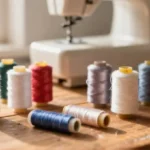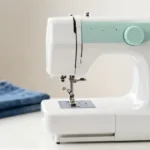

Choosing the right cotton thread for your Brother sewing machine can instantly elevate your stitch quality and prevent frustrating breaks. Many sewists assume any spool will work, but Brother machines have specific tension systems that respond best to smooth, consistent fibers. Cotton thread offers a beautiful matte finish and natural breathability that polyester simply cannot replicate. Understanding how your machine interacts with this fiber is the key to professional looking projects.
Why Thread Quality Matters for Brother Sewing Machines

Brother sewing machines are engineered with precise tension discs and take up levers that demand a uniform thread diameter. Low quality cotton thread often contains slubs, weak spots, or excessive lint that can clog the bobbin area and disrupt the stitch formation. Over time, these tiny imperfections cause skipped stitches and tension headaches that make sewing feel like a chore. Investing in high grade, long staple cotton thread keeps your Brother machine running smoothly and reduces maintenance cleanings.
Thread quality also directly influences the appearance of your topstitching and seams. A tightly spun cotton thread will glide through the needle eye without fraying, delivering crisp, even stitches on quilting cotton, linen, and lightweight apparel fabrics. Conversely, fuzzy, loosely twisted thread creates a rough texture and can snap under the high speed of a computerized Brother model. By selecting a premium cotton thread, you preserve the integrity of your project and the longevity of your machine’s internal components.
For peace of mind, always consult Brother’s official support guidelines regarding compatible thread weights. Most home Brother machines perform best with a 50 weight or 60 weight cotton thread, which balances strength and finesse. Pairing the correct weight with a sharp microtex or universal needle prevents unnecessary strain. This simple habit elevates both your sewing experience and the final garment quality.
Understanding Cotton Thread Varieties for Your Brother Machine

72Pcs Professional Sewing Thread Kit
Check PriceMercerized cotton thread undergoes a chemical treatment that strengthens the fiber and adds a subtle sheen, making it a superb all purpose choice for Brother machines. This process removes the fuzzy outer layer, reduces lint, and increases dye absorption for vibrant, colorfast results. Garments sewn with mercerized cotton hold up beautifully to repeated washing without fading or weakening. For everyday dressmaking, this variety strikes the perfect balance between natural softness and machine friendly durability.
Long staple cotton thread, often labeled as Egyptian or Pima, offers an extra level of smoothness that your Brother tension discs will appreciate. The longer fibers are spun into a finer, stronger strand that resists pilling and breakage during high speed stitching. Quilters especially prefer this type because it glides effortlessly through multiple fabric layers without creating bulky seams. If you demand absolute precision, switching to a long staple cotton thread is a small upgrade with a massive impact.
Glazed or coated cotton threads have a polished finish that repels tangles and reduces friction, a particular advantage for hand quilting and decorative topstitching on a Brother machine. The light wax or resin coating allows the thread to slide through the needle with minimal drag, but it can build up in the bobbin case over time. If you choose a glazed cotton for machine sewing, remember to clean your bobbin area more frequently. Testing a sample on your specific Brother model will confirm whether the finish complements your tension settings comfortably.
How to Choose the Best Cotton Thread Weight

Coats and Clark Dual Duty All-Purpose Thread 2-Pack
Check PriceThread weight is a numerical value that can confuse even experienced sewists, but it is the single most critical factor for Brother machine compatibility. A 50 weight cotton thread is the industry standard for general sewing, offering a medium thickness that sits neatly in the tension discs without jamming. When you use a 40 weight cotton, which is thicker, you may need to reduce the top tension slightly and switch to a larger needle size to prevent looping. Choosing the proper weight for your project ensures the machine feeds evenly and the seam lies flat.
Fine cotton threads, such as 60 or 80 weight, are ideal for heirloom stitching, delicate hems, and intricate piecing on a Brother quilting machine. These lightweight threads sink beautifully into the fabric, creating nearly invisible seams and reducing bulk at intersections. However, they require a meticulous thread path because they are more prone to slipping out of tension discs if not threaded correctly. Always follow your Brother manual’s threading diagram carefully when using these superfine weights to avoid mysterious loops on the underside.
For heavyweight fabrics like denim or canvas, a 30 or 35 weight cotton provides the necessary strength without overwhelming the machine. You must pair this thicker thread with a topstitching needle and a slightly longer stitch length to accommodate the extra volume. A Brother machine with adjustable presser foot pressure handles heavy cotton thread beautifully once you dial in the settings. Always run a test strip on your fabric scraps to ensure the knot is secure and the feed dogs are not struggling.
Top Cotton Thread Picks for Brother Sewing Machines

Gutermann Thread Set Sew-All 20-Pack
Check PriceThe best thread for Brother sewing machines often includes premium sets that offer consistent performance across a range of fabric types. Gutermann’s natural cotton thread is a favorite because its micro core technology prevents twisting and reduces lint buildup inside the bobbin housing. This thread runs quietly and smoothly through both standard and embroidery Brother models, delivering crisp stitch definition. Many sewists appreciate the extensive color palette, which allows flawless matching for fashion garments and home decor alike.
Aurifil’s 50 weight long staple Egyptian cotton thread is revered by quilters who use Brother machines for free motion work. The thread produces very little fuzz, meaning your tension sensors stay clean for longer periods between deep cleanings. Its strength belies its thin profile, enabling you to piece tiny blocks without distorting the seam allowance. Investing in a single spool of this high end cotton often convinces sewists that thread quality is just as vital as fabric choice.
For budget conscious crafters, Coats and Clark’s mercerized cotton offers dependable performance on mechanical and electronic Brother models. The thread feeds evenly from both vertical and horizontal spool pins, a key feature for machines that use a cross wound spool. While it may generate slightly more lint than elite brands, regular bobbin area cleaning eliminates any negative impact. This thread is an excellent workhorse for mock ups, toiles, and everyday mending tasks.
Achieving Perfect Tension with Cotton Thread

ilauke 50Pcs Thread for Sewing
Check PriceCotton thread behaves differently than polyester in the tension disks because it has less natural stretch and a softer surface. When you switch to cotton on a Brother machine, start by setting the top tension dial to the standard 4 and then fine tune from there. A perfectly balanced stitch will show the top and bobbin threads meeting exactly in the middle of the fabric layers, with no loops or puckering. If you see the bobbin thread pulling to the top, lower the tension slightly until the knot disappears.
Bobbin tension is equally critical and often overlooked when using cotton thread. A drop in bobbin test, where the bobbin case descends slowly when you gently shake the thread tail, indicates correct tension for delicate cotton. If the case drops freely, it is too loose, causing messy nests underneath your embroidery or seams. Make small quarter turn adjustments on the bobbin case screw and retest until the descent is smooth and controlled, just as your Brother manual recommends.
Environmental factors like humidity can cause cotton thread to swell subtly, altering how it feeds through the tension system. Storing your cotton spools in airtight containers with silica gel packets preserves their moisture balance and prevents sudden tension shifts mid project. If you notice intermittent loops or thread shredding on a humid day, allow the thread to acclimate in a dehumidified room for an hour before sewing. This simple preparation step saves you from unnecessary frustration and keeps your Brother machine humming happily.
Essential Maintenance and Lint Control Tips

72 PCS Sewing Thread Assortment
Check PriceAll cotton threads produce some lint, but proper machine maintenance prevents it from sabotaging your stitch quality. After every large project or about eight hours of sewing, remove the needle plate on your Brother and use a small brush to clear lint from the feed dogs and bobbin case. A handheld vacuum with a crevice tool attachment can gently suction out fibers without blowing them deeper into the machine. This routine dramatically extends the life of your computer controlled components.
If you frequently use cotton thread, replace your sewing machine needle after every project or roughly every six to eight hours of stitching. A dull or slightly burred needle snags the soft cotton fibers, causing consistent thread breakage and uneven tension. Universal needles work, but a microtex or sharp needle specifically designed for natural fibers will cleanly pierce the fabric and reduce friction. For heavy cotton threads, a topstitching needle with a larger eye accommodates the thickness without shredding.
You can further control lint by running a white cotton spool through a thread conditioner like Thread Magic, though use it sparingly to avoid residue buildup on tension discs. Another effective trick is to place a small piece of lint free fabric over the spool pin before mounting the thread, which catches stray fibers at the source. Never use compressed air cans, as they force lint into the machine’s inner bearings. With these habits, your Brother will digest cotton thread as efficiently as any synthetic fiber, giving you silky seams every time.
Frequently Asked Questions About Cotton Thread and Brother Machines

New brothread 40 Colors Polyester Embroidery Machine Thread Kit
Check PriceCan I use cotton thread in my Brother embroidery machine?
Yes, Brother embroidery machines handle high quality cotton thread beautifully, especially 50 weight mercerized varieties. Cotton delivers a soft, matte finish that is distinct from the glossy look of polyester embroidery thread. You must use a thread net and reduce the machine speed slightly to prevent breakage during dense designs. Always test your digitized pattern on scrap stabilizer to confirm the cotton thread performs flawlessly.
Why does my cotton thread keep snapping on my Brother machine?
Frequent breakage usually stems from a needle that is too small, outdated, or incompatible with natural fibers. Switch to a sharp microtex needle in size 80/12 for standard cotton thread and ensure the thread path is free of rough spots. Old or improperly stored cotton can become brittle, so check that your thread isn’t expired by gently pulling it; it should stretch slightly before snapping. Re threading the machine with the presser foot raised ensures the thread seats correctly in the tension discs, a common reason thread breaks when sewing.
Should I use cotton thread in the bobbin as well as the top?
Using cotton thread in both the top and bobbin creates a harmonized stitch that is especially important for heirloom sewing and quilting. Mixing cotton on top with polyester in the bobbin can lead to tension imbalance because the two fibers have different stretch properties. For the most consistent results on your Brother, wind cotton bobbins at a slow to medium speed to prevent the thread from stretching and causing puckering later. This matched pairing yields seams that are both strong and beautifully even.
Is mercerized cotton better than unmercerized for Brother machines?
Mercerized cotton is generally the superior choice for Brother sewing machines due to its reduced lint and increased strength. The treatment smooths the fiber surface, allowing it to glide through tension guides and the needle without generating the fuzzy buildup that can trigger sensor errors. Unmercerized cotton has a charming, rustic appearance but sheds more lint and can clog the bobbin area faster. If you adore the matte look of unmercerized thread, simply schedule more frequent cleanings and use a needle with a slightly larger eye.
Final Thoughts on Selecting Cotton Thread

72Pcs Prewound Bobbins and Thread Spools
Check PriceSwitching to a premium cotton thread specifically matched to your Brother sewing machine transforms frustrating stitch issues into a fluid, joyful sewing experience. By understanding mercerization, staple length, and thread weight, you can pick a spool that respects your machine’s engineering while delivering the natural finish your project deserves. The small investment in better thread pays off in fewer tension adjustments, reduced lint, and seams that endure years of wear. Once you feel the difference a fine cotton thread makes, you will never settle for a generic spool again.
Remember to pair your chosen cotton thread with the correct needle type and keep your bobbin area pristinely clean after every session. Tension fine tuning becomes second nature when you monitor how the thread responds to different fabric weights and humidity levels. Brother sewing machines are designed to excel with quality materials, and cotton thread honors that design beautifully. Embrace these techniques and watch your homemade garments acquire a couture level of polish and charm.