
Sewing sessions can stretch for hours, making your chair a crucial factor in comfort and precision. Many crafters wonder if a sewing chair should have arms or if they get in the way of fabric movement. The answer is not one size fits all, it depends on your body, your machine, and the type of sewing you do. Understanding how armrests affect your posture can help you avoid back pain and fatigue while stitching.
Armrests might seem like a luxury, but they play a powerful ergonomic role for some sewists. They can reduce shoulder strain when you pause to guide intricate seams or pin fabrics. However, fixed armrests that block your elbows can interfere with free motion quilting or turning bulky projects. This guide will help you decide whether arms belong on your sewing chair and what to look for when you shop.
The Role of Armrests in a Sewing Chair

Lessmore Adjustable Height Sewing Chair with Back Support, Beige
Check PriceArmrests are designed to support your forearms and reduce the load on your neck and shoulders. When you sit at a sewing machine, your arms are often extended forward, and resting them on a padded surface can prevent fatigue. This support keeps your wrists in a neutral position, which is especially helpful during detailed tasks like topstitching or appliqué.
For sewists who press their elbows against their sides for control, armrests may feel intrusive. The key is to think about your natural sewing posture. If you lean forward without realizing it, arms can gently remind you to sit back. They also provide a handy spot to rest between seams, giving your muscles a micro break that adds up over a long day.
Benefits of Using a Sewing Chair with Arms

Primy Drafting Chair Tall Office Chair with Flip-up Armrests, Black
Check PriceOne major benefit is upper body relief. Supporting your arms takes pressure off your spine and can prevent that burning sensation between your shoulder blades. Many sewists find they can sit longer without stiffness when their elbows are lightly cradled. This is particularly helpful for embroidery, where you might hold a hoop for extended periods, or for hand sewing finishing touches.
Arms also promote better circulation by encouraging a more open chest and relaxed shoulders. When you are not gripping the table or hunching forward, you breathe more deeply and stay focused. A chair with padded, adjustable arms can double as a temporary resting surface for small tools or snipped threads, keeping your workspace tidy. This small convenience can streamline your creative flow without disrupting your rhythm.
Potential Downsides of Armrests While Sewing

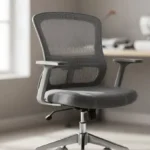
Ergonomic Office Chair Home Mesh Desk Chair with Adjustable Arms, Black
Check PriceFor all their advantages, armrests can become obstacles during certain sewing maneuvers. If you often stand to press seams or pivot large quilts, fixed arms may force you into an awkward twist to get in and out of the chair. Free motion quilters and those who do a lot of seaming on small pieces sometimes complain that their elbows hit the rests, limiting the fluid movement they need.
The wrong arm height can also push your shoulders up, creating tension rather than relieving it. If the rests are too wide or narrow, they alter your alignment and can strain your wrists. Another common issue is that cheap, non adjustable arms wear out quickly, leaving you with wobbly supports that feel unstable. It is essential to test how your body interacts with the chair before committing to a design.
When an Armless Sewing Chair Makes Sense

KLASIKA Tall Drafting Chair for Standing Desk, Black
Check PriceAn armless chair can be the best choice if you frequently move your whole upper body while sewing. Crafts that involve constant pivoting, like making large fabric rolls or draping, benefit from unhindered range of motion. Tall sewists who use a raised table often prefer armless models because standard armrests are too low to offer meaningful support and end up getting in the way.
If space is tight, an armless design slides completely under a desk or sewing cabinet, saving valuable floor area. Many professional tailors and sewists actually use simple armless stools or task chairs, relying on a strong core and good posture instead. Just be mindful that without arm support, you must be diligent about taking stretch breaks and adjusting your seat height to avoid slumping forward as the hours pass.
Key Ergonomic Features to Look For

Arrow Sewing H6880 Adjustable Hydraulic Sewing Chair
Check PriceWhether you choose arms or not, prioritize a chair with height adjustability and a contoured seat. Your thighs should be parallel to the floor, with your feet flat, while your sewing machine bed sits just below elbow level. Lumbar support is another must have, it maintains the natural curve of your lower spine and prevents that deep ache after a long project. An ergonomic setup, as detailed by Mayo Clinic’s office ergonomics guide, reduces strain by keeping joints neutral and supported.
Look for chairs with a swivel base and smooth rolling casters, so you can reach pins, scissors, and the ironing board without twisting your spine. The seat pan should have a waterfall edge to reduce pressure behind your knees. If you decide on arms, they should be padded, width adjustable, and ideally height adjustable. This allows you to tailor the chair to your unique body and the height of your sewing table.
Adjustable vs. Fixed Armrests: What’s Better?

Pink Power Sewing Chair with Adjustable Back Support, Black
Check PriceAdjustable armrests are a game changer for sewists who want the best of both worlds. You can raise them to support your arms during detailed work, then lower or flip them up out of the way when you need freedom. This flexibility means one chair can adapt to garment sewing, quilting, and even machine embroidery. It also makes it much easier to share the chair among family members of different heights.
Fixed arms are simpler and often found on more affordable chairs, but they lack versatility. They work well if your sewing desk height and your body size happen to match the chair’s dimensions perfectly. If the fixed arms are too low, they provide no support, and if they are too high, they cause shoulder hunching. Overall, the minor investment in adjustability pays off quickly in daily comfort and long term wellbeing.
How Sewing Tasks Influence Armrest Needs

Crutello Sewing Chair with Wheels, Adjustable Lumbar Support, Gray
Check PriceYour preferred sewing discipline heavily influences whether arms will help or hinder. Garment sewists who use a standard sewing machine for long straight seams may love having a place to rest their arms between stitching bursts. Quilters, especially those doing free motion work, often need unimpeded arm movement to maneuver the quilt sandwich smoothly under the needle. An armless chair or one with fully removable arms often suits their style better.
Embroidery artists and those who do intricate hand beading tend to lean in close to their work, using armrests for stability and precision. If you use a serger at a higher table, tall drafting chairs with flip up arms let you perch at the correct height while offering support when you need it. Think about the typical motions you make, do you swivel, lean, or walk around the table? Matching the chair’s arm configuration to those patterns prevents daily irritation and boosts your output.
The Connection Between Chair Arms and Back Pain Relief

Armless Office Desk Chair High Back Mesh, Black
Check PriceSewing related back pain often starts in the upper back and shoulders because your arms are held in a forward position without support. Well designed armrests help distribute the weight of your arms, preventing your trapezius muscles from overworking. This relief can be felt all the way down your spine, reducing the likelihood of tension headaches. A chair that cradles your entire body while you sew is a long term investment in your health and your craft.
A poorly designed chair without proper arm support can lead to chronic discomfort. If you often end a sewing session with a stiff neck or aching lower back, it may be time to upgrade. For a comprehensive look at solutions, see our selection of the best sewing chair for back pain. Additionally, understanding the risks helps you make smarter choices, so read about how a bad chair can cause back pain and the simple changes that make a big difference.
Top Sewing Chair Picks with Flip Up Arms

Lessmore Adjustable Sewing Chair with Back Support, White
Check PriceFlip up armrests are the ultimate solution for sewists who cannot decide. They lock in place when you need support and swing back effortlessly for unimpeded motion. The Primy Drafting Chair with its flip up arms is a favorite because it also suits standing height cutting tables. This style offers the freedom to quilt and the support to embroider without changing chairs, making it a versatile workhorse for a multi craft studio.
Another excellent option is the ORRSAKER Drafting Chair, which combines a tall seat with flip up arms and an ergonomic foot ring. It is ideal for sewists who use a higher sewing cabinet or a serger on a riser. When the arms are down, they provide a solid rest for your forearms while you guide fabric through the feed dogs. When you need to pivot or stand, simply push the arms up and slide out with zero obstruction.
Sewing Chairs with Lumbar Support and Arm Options

Boss Office Products B315-BE Perfect Posture Delux Fabric Task Chair, Blue
Check PriceA sewing chair must do more than support your arms, your lower back needs dedicated care. The Crutello Sewing Chair combines adjustable lumbar support with smooth wheels and a comfortable seat, allowing you to dial in the perfect curve for your spine. Even if you prefer arm support, having robust back alignment reduces the tendency to slump forward. This model proves you do not have to sacrifice lower back health for arm convenience.
The Lessmore Adjustable Sewing Chair comes in multiple colors and features a supportive backrest along with a height adjustable seat. While it is an armless design, its compact footprint and solid lumbar pad make it a smart pick for sewists who know they want unrestricted movement. If you add a separate clamp on arm pad system later, you can customize it. Always prioritize your spine first, then evaluate whether arms would be a welcome addition to that foundation.
Budget Friendly Armrest Upgrades for Your Sewing Station

SONGMICS Drafting Chair, Ergonomic Tall Office Chair for Standing Desks
Check PriceIf you are not ready to replace your current chair, several clever add ons can give you arm support on a budget. Desk clamp armrests that attach to the edge of your sewing table provide a soft landing spot exactly where you need it. These can be positioned forward for embroidery or angled away for free motion quilting. They are a flexible way to experiment with arm support before investing in a new chair.
Another low cost idea is a portable memory foam arm pad that straps onto an existing chair arm to add cushion and height. Even a simple rolled towel placed under your forearms on the table can provide temporary relief during a long session. Pair these with a quality seat cushion that promotes pelvic tilt, and you might solve your discomfort without spending a lot. Listen to your body and adjust the setup until you feel no strain in your neck or wrists.
Setting Up Your Sewing Workspace for Maximum Comfort

ORRSAKER Drafting Chair, Tall Office Chair with Flip-up Arms, Black
Check PriceThe chair is just one piece of the ergonomic puzzle. Your sewing machine should sit at a height where your elbows form a 90 degree angle, or slightly more open, when your hands rest on the bed. A cutout table or sewing cabinet that sinks the machine flush with the surface encourages better posture and reduces the reach that strains your shoulders. Combined with a properly adjusted chair, armrests or not, this setup keeps you comfortable for hours.
Position your ironing board and cutting mat within a short swivel or step, so you are not repeatedly getting up and sitting down. Good task lighting that eliminates shadows prevents you from leaning forward to see tiny stitches. Finally, remember to take micro breaks every 20 minutes, roll your shoulders, and adjust your position. Even the best chair with the most adjustable arms cannot replace the benefits of movement and body awareness.
Frequently Asked Questions About Sewing Chair Arms

Big Reclining Ergonomic Office Chair with Footrest, Black
Check PriceCan I remove the arms from my existing sewing chair? Many office and task chairs have removable arms, often secured with a few bolts under the seat. Check the manufacturer’s instructions before attempting to take them off. If the chair relies on the arm structure for stability, removing them could make the backrest wobbly. A chair designed with optional arms is the safest choice for a reliable conversion.
Are armrests necessary for hand sewing? Hand sewing often keeps your elbows tucked close to your body, so fixed armrests can feel restrictive. A small padded arm support just at the elbow, or an adjustable arm that you can swing away, might help. Many hand sewists prefer an armless chair with a soft lap pillow to support their project and forearms, keeping everything relaxed and close to their natural posture.
What height should armrests be for a sewing chair? Armrests should be set so your shoulders remain relaxed and your elbows rest at approximately 90 degrees. When you place your hands on the sewing machine bed, your forearms should be parallel to the floor or sloping gently upward. If the armrests force your shoulders up toward your ears, they are too high. If you have to lean sideways to touch them, they are too low or too wide.
Do tall sewists need special armrests? Taller individuals often benefit from a drafting chair with an extended height range and adjustable foot ring. Standard chairs leave their arms hanging low, which actually increases pressure on the wrists when they try to use fixed rests. A chair like the KLASIKA Tall Drafting Chair or SONGMICS Ergonomic Drafting Chair provides armrests that can be raised to match a longer torso, keeping everything aligned without compromise.
Ultimately, the choice to use arms on a sewing chair comes down to your body mechanics, your sewing style, and your studio layout. Test both configurations if possible, and prioritize adjustability so you can change your mind as projects evolve. A well chosen chair transforms sewing from a tiring chore into a fluid, joyful creative practice.