

A fabric frequency chart in textile terminology refers to a comprehensive GSM (Grams per Square Meter) weight classification system that categorizes fabrics from ultra-lightweight (under 100 GSM) like chiffon and voile, through lightweight (100-170 GSM) including cotton shirting and linen, midweight (170-340 GSM) such as denim and twill, to heavyweight fabrics (340+ GSM) including canvas and wool coatings. This standardized measurement system enables precise fabric selection for specific applications, determining drape, durability, and suitability for garments or home textiles.
Comprehensive GSM Reference Charts
Ultra-Lightweight Under 100 GSM
- Silk chiffon 26-45
- Cotton voile 40-70
- Organza 30-50
- Tulle 25-60
- Georgette 50-80
- Gauze 30-70
Lightweight 100-170 GSM
- Cotton shirting 110-140
- Linen (lightweight) 120-150
- Chambray 120-160
- Rayon challis 100-130
- Cotton lawn 60-100
- Silk crepe de chine 90-130
Midweight 170-340 GSM
- Denim (standard) 200-280
- Twill 200-300
- French terry 230-300
- Canvas (light) 200-340
- Ponte knit 240-320
- Wool gabardine 200-280
Heavyweight 340+ GSM
- Heavy canvas 400-600
- Heavy denim 340-500+
- Fleece 280-400+
- Wool coating 400-600+
- Upholstery fabric 400-800
About GSM (Grams per Square Meter)
GSM is a metric measurement that indicates fabric weight and thickness. Lower GSM fabrics are lighter and more delicate, while higher GSM fabrics are heavier and more durable. This reference helps you choose the right fabric weight for your specific project needs.
About GSM (Grams per Square Meter)
GSM is a metric measurement that indicates fabric weight and thickness. Lower GSM fabrics are lighter and more delicate, while higher GSM fabrics are heavier and more durable. This reference helps you choose the right fabric weight for your specific project needs.
What is a Fabric Frequency Chart?
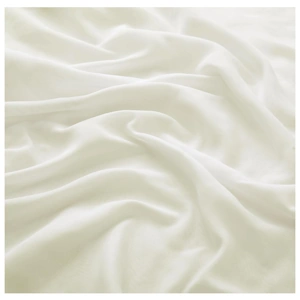
VACVELT Cream Chiffon lightweight Fabric
Check Price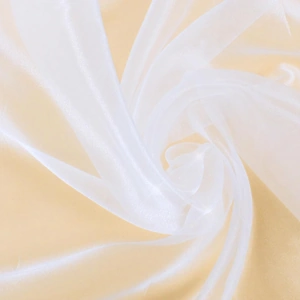
Manyshofu White Organza Fabric by The Yard
Check PriceIn the textile industry, a “fabric frequency chart” represents a systematic classification of fabrics based on their weight per square meter, measured in GSM. This standardized approach serves as the cornerstone for manufacturers, designers, and consumers when selecting appropriate materials for specific projects.
GSM stands for grams per square meter. It’s the standard unit of measurement used in the textile industry. It tells you how many grams a single sheet of fabric that is one meter long and one meter wide weighs. This measurement system transcends regional preferences and provides a universal language for textile specification.
The primary purpose of fabric frequency charts extends beyond simple categorization. They enable professionals to make informed decisions about drape characteristics, durability expectations, and end-use applications. A fabric’s weight directly influences how it behaves during construction, its longevity in use, and its comfort level for the wearer.
The GSM Standard Explained
The GSM measurement system has emerged as the global standard for fabric classification, replacing older regional systems and providing consistency across international markets. Unlike imperial measurements that vary by region, GSM offers precise, reproducible data that manufacturers worldwide can interpret identically.
Fabrics with higher GSM tend to be thicker and more durable, while lower GSM fabrics are lighter and more breathable. This understanding allows manufacturers to produce a wide range of textiles, each tailored to specific needs.
The spectrum ranges dramatically from delicate 26 GSM silk chiffon to robust 800+ GSM upholstery materials. This wide range demonstrates the system’s versatility in accommodating every textile application from intimate apparel to industrial uses.
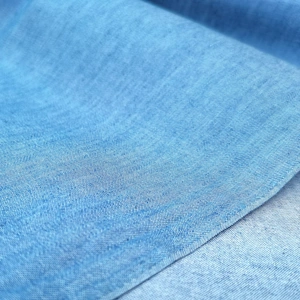
Blue Silver Gray Denim Chambray Fabric
Check Price
French Terry Fabric by the Yard
Check PriceUltra-Lightweight Fabrics (Under 100 GSM)
Ultra-lightweight fabrics represent the most delicate category in textile classification, characterized by their ethereal quality and specialized applications. These materials require expert handling during production and careful consideration for end-use applications.
A lightweight fabric is typically between 30- 150 GSM, medium weight 150-350 GSM and heavyweight 350+ GSM, with ultra-lightweight materials falling at the lower end of this spectrum.
Chiffon – The Epitome of Elegance
Silk chiffon stands as the quintessential ultra-lightweight fabric, with premium varieties weighing as little as 26 GSM. This remarkable lightness creates the fabric’s signature floating quality that has made it a staple in evening wear and bridal applications.
The technical construction of chiffon involves a plain weave with highly twisted yarns, creating the characteristic crinkled texture that contributes to its light-catching properties. The low GSM enables exceptional drape, allowing designers to create voluminous silhouettes without added weight.
Quality markers for chiffon include consistent transparency, resilient texture despite the low weight, and colorfastness. Premium chiffon maintains its structure through multiple wears and cleanings, while lower-quality versions may develop runs or lose their crisp texture.
Voile – The Versatile Semi-Sheer
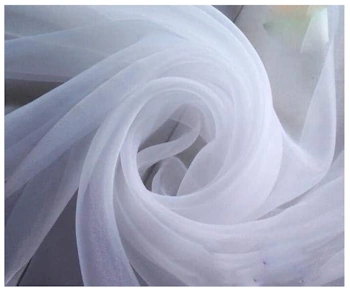
Cotton voile typically ranges from 40-70 GSM, positioning it as a more substantial option within the ultra-lightweight category. This additional weight provides better handling characteristics while maintaining the desired translucent quality.
The fabric’s semi-sheer nature makes it ideal for warm-climate apparel, offering breathability without complete transparency. Unlike chiffon’s formal associations, voile serves practical purposes in everyday garments, curtains, and home textiles.
Quality variations in voile relate directly to fiber quality and weave tightness. Higher-grade cotton voile maintains its shape better and resists shrinkage, while lower grades may become limp or distorted after washing.
Lace and Tulle – Decorative Delicates

Lace fabrics present unique GSM challenges due to their open-weave construction. Traditional lace weights range from 30-80 GSM, with variations depending on pattern density and fiber composition. Chantilly lace typically weighs around 35-50 GSM, while heavier guipure lace can reach 70-80 GSM.
Tulle weights vary significantly based on stiffness requirements. Soft tulle for draping applications weighs approximately 25-40 GSM, while rigid tulle for structured applications can reach 60-80 GSM. The relationship between weight and stiffness in tulle is critical for achieving desired design outcomes.
Industrial-grade lace and tulle often exceed these weights, with reinforced versions reaching 100+ GSM for specialized applications like filters or technical textiles.
Organza – Structured Sheerness
Organza occupies a unique position in ultra-lightweight fabrics by combining low weight with structural integrity. Silk organza typically weighs 30-50 GSM, while synthetic versions may vary slightly due to fiber characteristics.
The fabric’s crisp hand comes from its tight plain weave construction, which creates stability despite the low GSM. This characteristic makes organza valuable for architectural fashion applications where structure is needed without bulk.
Synthetic organza often weighs slightly more than silk versions but offers advantages in care and cost. The weight difference typically ranges from 5-10 GSM, with synthetic versions sometimes reaching 55-60 GSM while maintaining similar drape characteristics.
Additional Ultra-Lightweight Fabrics
Georgette falls into the 50-80 GSM range, offering more body than chiffon while maintaining excellent drape. Its crepe texture provides visual interest and improved handling compared to plain chiffon.
Gauze varies widely from 30-70 GSM depending on its intended use. Medical gauze typically weighs less than fashion gauze, which requires additional durability.
Silk habotai ranges from 35-65 GSM and serves as a versatile lining material. Its smooth surface and moderate weight make it ideal for interfacing delicate outer fabrics.
Performance mesh fabrics in athletic wear typically weigh 40-80 GSM, balancing breathability with durability requirements for active use.
Lightweight Fabrics (100-170 GSM)
Lightweight fabrics represent the sweet spot for many garment applications, offering opacity and structure while maintaining breathability and comfort. This category includes many wardrobe staples that form the foundation of everyday dressing.
a lightweight summer t-shirt made of jersey should have a GSM number between 120-160, while a heavyweight t-shirt for winter should measure between 200-300 g/m2.
Lightweight Linen – The Natural Choice
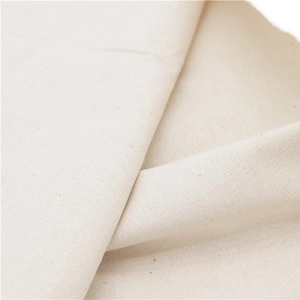
Lightweight linen typically ranges from 120-150 GSM, making it perfect for warm-weather applications. The natural fiber’s inherent breathability combines with the moderate weight to create fabrics that are substantial enough for structured garments yet comfortable in heat.
The relationship between linen weight and weave construction directly impacts the fabric’s characteristics. Loosely woven lightweight linen provides maximum breathability but may lack stability for tailored applications. Tightly woven versions offer better shape retention but may sacrifice some airflow.
Sustainability aspects of lightweight linen contribute to its growing popularity. The lower GSM requires fewer raw materials while maintaining functionality, aligning with environmental consciousness trends in the textile industry.
Cotton Shirting – The Wardrobe Staple
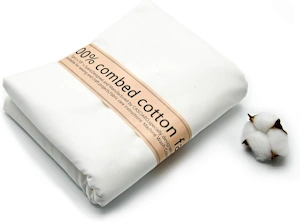
Cotton shirting fabrics typically weigh 110-140 GSM, with this range providing the ideal balance of structure and comfort for button-down shirts. The specific GSM chosen depends on the desired hand-feel and intended use.
Thread count correlations with GSM in shirting fabrics are significant. Higher thread counts at the same GSM indicate finer yarns, which generally produce smoother, more refined fabrics. Conversely, lower thread counts at the same weight suggest coarser yarns and a more casual aesthetic.
Finishing treatments can slightly alter the final GSM of cotton shirting. Treatments like mercerization may add 5-10 GSM while improving luster and strength. These modifications must be considered during selection to ensure the final product meets weight specifications.
Chambray – Denim’s Lighter Cousin
Chambray typically weighs between 120-160 GSM, positioning it as a lighter alternative to traditional denim while maintaining similar aesthetic appeal. The construction uses white weft threads with colored warp threads, creating the characteristic appearance without the weight of true denim.
Weave structure differences from denim contribute to chambray’s lower weight. While denim uses heavy yarns in a tight twill construction, chambray employs lighter yarns in a plain weave, reducing overall GSM while maintaining durability.
Color retention properties in chambray relate to its GSM. The lighter weight means less fiber density, which can affect dye uptake and fastness. Quality chambray maintains color consistency despite the lower weight through improved dyeing processes.
Rayon Challis – The Fluid Draper
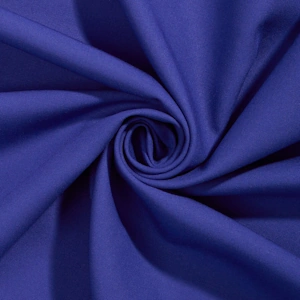
Rayon challis typically weighs 100-130 GSM, with its exceptional drape characteristics making it popular for flowing garments. The fiber’s inherent properties combine with the moderate weight to create fabrics with liquid-like movement.
Viscose versus modal variations affect both weight and performance. Modal challis may weigh slightly more (120-140 GSM) due to the fiber’s structure, but offers improved dimensional stability and reduced shrinkage.
Print quality considerations become important in challis due to the fabric’s fluid nature. The GSM must be sufficient to support high-quality printing without compromising drape, typically requiring at least 110 GSM for optimal results.
Expanded Lightweight Options
Lightweight wool fabrics in the 130-170 GSM range serve as excellent transitional materials for moderate climates. These weights provide warmth without bulk, making them ideal for layering applications.
Silk crepe de chine ranges from 90-130 GSM and offers excellent drape with moderate weight. The crepe texture adds visual interest while the silk content provides luxury hand-feel.
Cotton lawn, weighing 60-100 GSM, bridges the gap between ultra-lightweight and lightweight categories. Its crisp finish and fine hand make it popular for heirloom sewing and delicate garments.
Polyester crepe typically weighs 110-150 GSM and provides easy-care alternatives to silk crepe. The synthetic fiber offers improved wrinkle resistance while maintaining similar drape characteristics.
Midweight Fabrics (170-340 GSM)
Weighing in at 170 to 340 GSM, midweight fabrics are the versatile all-stars of the textile world. They’re up for anything – tops, bottoms, light jackets, dresses, you name it. This category represents the workhorses of the textile world, offering the perfect balance between durability and versatility.
Twill – The Diagonal Dynamo
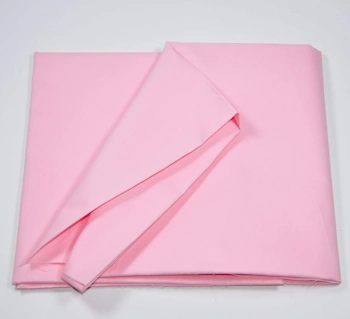
Twill weave construction creates fabrics typically ranging from 200-300 GSM, with the diagonal pattern contributing to both strength and visual interest. The weave structure distributes stress across multiple yarn intersections, making twill inherently more durable than plain weave fabrics of similar weight.
Cotton twill at 250 GSM provides excellent durability for workwear applications while maintaining comfort for extended wear. Polyester twill variations may weigh slightly less (200-280 GSM) while offering improved wrinkle resistance and care properties.
Industrial applications often require specific GSM ranges within the twill category. Uniform fabrics typically specify 240-280 GSM for optimal performance, balancing durability with employee comfort during long work periods.
Midweight Linen – Structured Sophistication
Midweight linen, ranging from 180-250 GSM, represents the ideal weight for structured garments requiring natural fiber benefits. This weight provides sufficient body for tailored applications while maintaining linen’s characteristic breathability.
The balance between softness and durability in midweight linen makes it suitable for both casual and formal applications. Lighter weights within this range (180-210 GSM) work well for unstructured garments, while heavier weights (220-250 GSM) support more complex construction techniques.
Wrinkle resistance treatments for midweight linen can add 10-20 GSM to the final fabric weight. These treatments improve performance characteristics but must be factored into final weight calculations for specification compliance.
Denim – The Universal Fabric
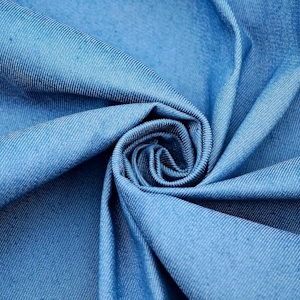
Standard weight: Midweight denim typically around 250 GSM, though the range extends from 200-340 GSM depending on the intended application. Lightweight denim starts around 200 GSM, while heavy midweight versions approach the category’s upper limit.
Weight variations in denim relate directly to intended use. Fashion denim often weighs 200-250 GSM for comfort and drape, while workwear denim typically weighs 280-340 GSM for maximum durability.
Stretch versus non-stretch denim affects GSM calculations due to elastane content. Stretch denim typically weighs 10-15% less than comparable non-stretch versions due to the elastane fiber’s lower density.
Raw versus washed denim presents interesting weight considerations. Raw denim may initially weigh more due to sizing and finishes, but these weights can decrease by 5-10% after initial washing and shrinkage.
French Terry – Comfort Meets Function
French terry fabrics typically range from 230-300 GSM, with the knit structure and loop pile contributing to both weight and functionality. The loops on the fabric’s reverse provide insulation and moisture absorption while adding bulk.
Blend variations significantly affect French terry GSM. Cotton/polyester blends may weigh less (220-280 GSM) than 100% cotton versions (250-320 GSM) due to polyester’s lower fiber density.
Performance enhancements in French terry can alter GSM specifications. Moisture-wicking treatments, antimicrobial finishes, and stretch additions may each contribute 10-20 GSM to the final fabric weight.
Additional Midweight Fabrics
Canvas fabrics in the midweight range (200-340 GSM) provide durability for bags and casual apparel without the stiffness of heavyweight versions. The plain weave construction at these weights offers excellent printability and ease of construction.
Ponte knit typically weighs 240-320 GSM and offers excellent stretch recovery properties. The double-knit construction provides stability while maintaining comfort characteristics essential for fitted garments.
Wool gabardine ranges from 200-280 GSM and provides weather resistance with natural fiber benefits. The tight twill weave creates a smooth surface while the moderate weight ensures year-round wearability.
Cotton sateen weighs 180-250 GSM and offers a lustrous surface with cotton’s natural properties. The satin weave construction creates the characteristic sheen while the moderate weight ensures durability.
Velvet in the midweight range (250-340 GSM) provides luxury texture without excessive bulk. The pile construction contributes significantly to the fabric’s weight while creating the characteristic tactile properties.
Heavyweight and Ultra-Heavy Fabrics (340+ GSM)
Heavyweight fabrics (350 GSM and above) provide excellent insulation and are suitable for coats, jackets, and upholstery, representing the most robust category in textile classification. These materials prioritize durability, warmth, and structural integrity over lightweight comfort.
Heavy Canvas – The Durable Champion
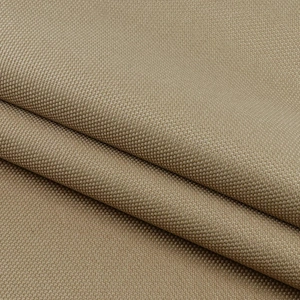
Heavy canvas typically exceeds 400 GSM, with premium versions reaching 500-600 GSM for maximum durability. The plain weave construction at these weights creates fabrics capable of withstanding extreme stress and repeated use.
Standard canvas over 400 GSM serves industrial applications including tarpaulins, awnings, and heavy-duty bags. The weight directly correlates with tear strength and longevity expectations in these demanding applications.
Duck canvas represents a specific heavyweight category, typically weighing 450-550 GSM. The tight weave and heavy yarns create exceptional durability, making duck canvas the preferred choice for military and outdoor equipment applications.
Waxed and treated canvas variations add 50-100 GSM to the base fabric weight. These treatments provide weather resistance and additional durability but must be considered in weight calculations for specific applications.
Heavy Denim – The Robust Classic
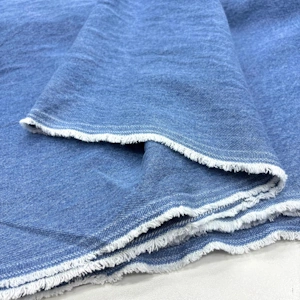
Heavy denim typically ranges from 340-500+ GSM, with premium selvedge varieties often exceeding these weights. The additional weight comes from heavier yarns and tighter weave construction designed for maximum longevity.
Our Heavyweight Chino in 420 g/m2 vs. our Smart Chino in 290 g/m2 · Fabric density refers to how tightly the fibres of a fabric are woven together. The denser the weave, the heavier the fabric.
Selvedge denim weight characteristics often exceed standard denim due to traditional construction methods and premium materials. These fabrics typically weigh 400-500 GSM and require extended break-in periods to achieve optimal comfort.
Break-in period correlations directly relate to GSM in heavy denim. Fabrics exceeding 400 GSM may require 50-100 hours of wear to achieve full comfort, while lighter weights break in more quickly.
Premium market positioning often emphasizes GSM as a quality indicator, with heavyweight denim commanding premium prices due to material costs and construction complexity.
Fleece – Synthetic Warmth
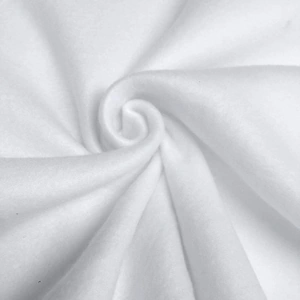
Synthetic fleece fabrics typically range from 280-400+ GSM, with polar fleece representing the heaviest category. The knit construction and brushed surface contribute significantly to both weight and insulation properties.
GSM variations in fleece directly correlate with warmth ratings. Lightweight fleece (280-320 GSM) provides moderate insulation, while heavyweight versions (350-400+ GSM) offer maximum warmth for extreme conditions.
Polar fleece subcategories include micro fleece (200-280 GSM), standard polar fleece (300-350 GSM), and heavyweight polar fleece (380-450 GSM). Each category serves specific temperature ranges and activity levels.
Performance specifications for fleece include thermal efficiency ratings that correspond to GSM ranges. Higher weights generally provide better insulation but may compromise breathability for active applications.
Wool Coating – Winter’s Armor
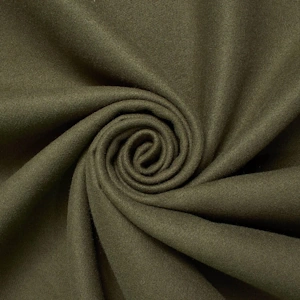
Wool coating fabrics typically range from 400-600+ GSM, representing some of the heaviest apparel materials available. These weights provide maximum warmth and wind resistance for harsh weather conditions.
Melton wool typically weighs 450-550 GSM and offers exceptional weather protection through its dense, felted construction. The weight contributes to the fabric’s wind-blocking properties and thermal efficiency.
Boiled wool characteristics include weights typically ranging from 380-500 GSM, with the felting process contributing to both weight and insulation properties. The processing method creates unique textural qualities while maintaining warmth.
Luxury versus standard wool coating weights often differ significantly, with premium versions using finer fibers that may weigh more per square meter while providing superior comfort and performance characteristics.
Extended Heavyweight Options
Upholstery fabrics range from 400-800 GSM depending on intended use. Furniture upholstery typically requires 500-700 GSM for durability, while decorative applications may use lighter weights within the heavyweight category.
Industrial felt can exceed 1000 GSM for specialized applications requiring maximum thickness and density. These extreme weights serve technical applications rather than apparel use.
Leather-weight fabric equivalents typically range from 600-1000+ GSM, providing alternatives that match leather’s durability characteristics while offering easier care and construction properties.
Technical and protective fabrics often exceed standard heavyweight ranges, with specialized materials reaching 800-1200 GSM for applications requiring extreme durability or protection.
Specialty outdoor materials balance weight with performance, typically ranging from 400-600 GSM while incorporating technical features like waterproofing and breathability.
Selecting Appropriate Fabric Weights
Successful fabric selection requires systematic evaluation of multiple factors beyond simple aesthetic preferences. Professional approaches consider technical requirements, performance expectations, and practical limitations when choosing appropriate GSM ranges for specific applications.
Project-Based Selection Criteria
Matching fabric weight to end use represents the foundation of successful selection. Structured garments require sufficient weight to maintain shape, typically 200+ GSM, while flowing designs benefit from lighter weights that enhance drape characteristics.
Summer: Lightweight fabrics (100–150 GSM). Winter: Heavier fabrics (200+ GSM), demonstrating how seasonal considerations directly influence appropriate weight ranges.
Drape requirements assessment involves understanding how different GSM ranges behave in three-dimensional forms. Lightweight fabrics create soft, flowing lines, while heavyweight materials maintain structured silhouettes with minimal body conforming.
Durability needs evaluation considers both wear frequency and stress requirements. Garments requiring frequent washing benefit from midweight to heavyweight fabrics (200+ GSM), while occasional-wear items may utilize lighter weights successfully.
Technical Considerations
Sewing machine capabilities vary significantly with fabric GSM. Domestic machines typically handle fabrics up to 300-350 GSM effectively, while heavyweight materials may require industrial equipment for successful construction.
Needle and thread selection guidelines correspond directly to fabric weight. Lightweight fabrics (under 150 GSM) require fine needles (size 60-70) with fine threads, while heavyweight materials (300+ GSM) need heavy needles (size 100-120) with strong threads.
Interfacing weight ratios should complement the main fabric weight. Interfacing typically weighs 20-50% of the main fabric weight to provide support without creating excessive bulk or stiffness.
Quality Assessment Across Weight Categories
Hand-feel evaluation techniques provide immediate quality indicators regardless of GSM category. Quality fabrics feel substantial and consistent, while inferior materials may feel thin, rough, or irregular despite meeting weight specifications.
Visual inspection methods include checking for consistent thickness, even dyeing, and proper construction. Quality fabrics maintain consistency across the entire piece, while lower grades may show variations or defects.
Burn test interpretations help verify fiber content claims, which directly affect performance expectations within specific GSM ranges. Natural fibers behave differently from synthetics, impacting durability and care requirements.
Advanced Topics and Professional Applications
GSM Measurement and Testing
Laboratory testing procedures follow international standards (ISO 3801) for accurate GSM determination. Professional testing involves cutting precise 100cm² samples and weighing them to 0.01-gram accuracy, then multiplying by 100 to obtain GSM values.
Home testing methods can provide approximate GSM values using digital scales accurate to 0.1 grams. Cut a 10cm x 10cm sample (100cm²), weigh it, and multiply by 100 for estimated GSM. While less precise than laboratory methods, this technique offers useful guidance for fabric selection.
Sample size requirements for accurate testing specify minimum 100cm² areas taken from at least three different locations on the fabric. Variations exceeding 5% may indicate quality control issues or fabric defects.
Weight Manipulation Techniques
Finishing treatments affecting GSM include calendering, which can reduce apparent weight by compressing fibers, and napping, which may increase weight through raised surface fibers. These treatments can alter GSM by 5-15% compared to untreated fabrics.
Coating and lamination impacts can significantly increase fabric GSM. Waterproof coatings typically add 30-80 GSM, while laminated materials may increase weight by 50-150 GSM depending on the substrate material.
Washing effects on fabric weight vary by fiber content and construction. Natural fibers may shrink and increase GSM density by 5-10%, while synthetic fabrics typically maintain consistent weights through multiple wash cycles.
Sustainability by Weight Category
Environmental impact correlations show lighter fabrics generally requiring fewer raw materials and energy for production. However, durability considerations may favor slightly heavier fabrics that last longer, reducing overall environmental impact through extended use life.
Recycling possibilities vary by GSM and fiber content. Heavier fabrics often contain more recoverable materials, making them more attractive for recycling programs, while ultra-lightweight fabrics may not provide sufficient material for effective recycling.
Biodegradability timelines correlate with both fiber content and fabric weight. Natural fiber fabrics decompose at rates proportional to their density, with heavier fabrics taking longer to biodegrade completely.
Calculation Tools
GSM to oz/yd² Conversion: GSM ÷ 33.906 = oz/yd² oz/yd² × 33.906 = GSM
Fabric Requirement Calculator: For projects requiring specific weights, multiply pattern yardage by (desired GSM ÷ pattern-specified GSM) to adjust quantities when substituting different weight fabrics.
Troubleshooting Guide
Common Problems and Solutions:
Fabric too heavy for intended use:
- Consider interfacing reduction
- Modify construction techniques
- Adjust pattern ease allowances
Fabric too light for structure:
- Add appropriate interfacing
- Consider underlining
- Modify design elements for support
Inconsistent GSM readings:
- Check sampling locations
- Verify measurement accuracy
- Consider fabric defects or variations
Want to understand how different fabrics feel and perform? Read our guide on Viscose vs Rayon to learn how fiber type and fabric weight work together in sewing and fashion projects.
Frequently Asked Questions (FAQs)
1. What does GSM mean in fabric?
GSM stands for grams per square meter, which measures a fabric’s weight and density. A higher GSM number means a thicker, heavier fabric.
2. How do I choose the right GSM for sewing?
For lightweight garments like blouses, go for 100–150 GSM. For pants or jackets, use 250 GSM or more. The right GSM depends on the project and desired drape.
3. Is higher GSM always better quality?
Not necessarily. A higher GSM means a denser fabric, but quality also depends on fiber type, weave, and finish. Some light fabrics are premium despite low GSM.
4. Can I measure fabric GSM at home?
Yes. Cut a 10 × 10 cm square of fabric, weigh it in grams, and multiply by 100 to estimate the GSM.
5. What’s the best GSM for summer clothes?
For breathable summer outfits, choose 100–180 GSM fabrics like cotton, linen, or viscose blends—they’re lightweight and airy.
Conclusion
Understanding fabric GSM represents fundamental knowledge for anyone working with textiles professionally or as a hobby. The systematic approach to weight classification enables informed decisions that significantly impact project success rates and user satisfaction.
The four primary weight categories—ultra-lightweight (under 100 GSM), lightweight (100-170 GSM), midweight (170-340 GSM), and heavyweight (340+ GSM)—provide a framework for understanding fabric behavior and selecting appropriate materials for specific applications.
Mastery develops through hands-on experience combined with theoretical knowledge. Building a personal fabric library with documented GSM values creates a reference system that improves selection accuracy over time.